 listicle
Is Fluoride Treatment for Kids Worth It? A Parent's Guide
Table of Contents
- What Fluoride Treatment for Kids Actually Involves
- The Real Benefits of Fluoride Varnish for Toddlers
- How Often Should a Child Get Fluoride Treatment?
- Is Fluoride in Tap Water Enough for Kids?
- Safety, Side Effects, and Parental Concerns
- The Verdict: Is Fluoride Treatment for Kids Worth It?
- Frequently Asked Questions
Last Updated: September 17, 2026
What Fluoride Treatment for Kids Actually Involves
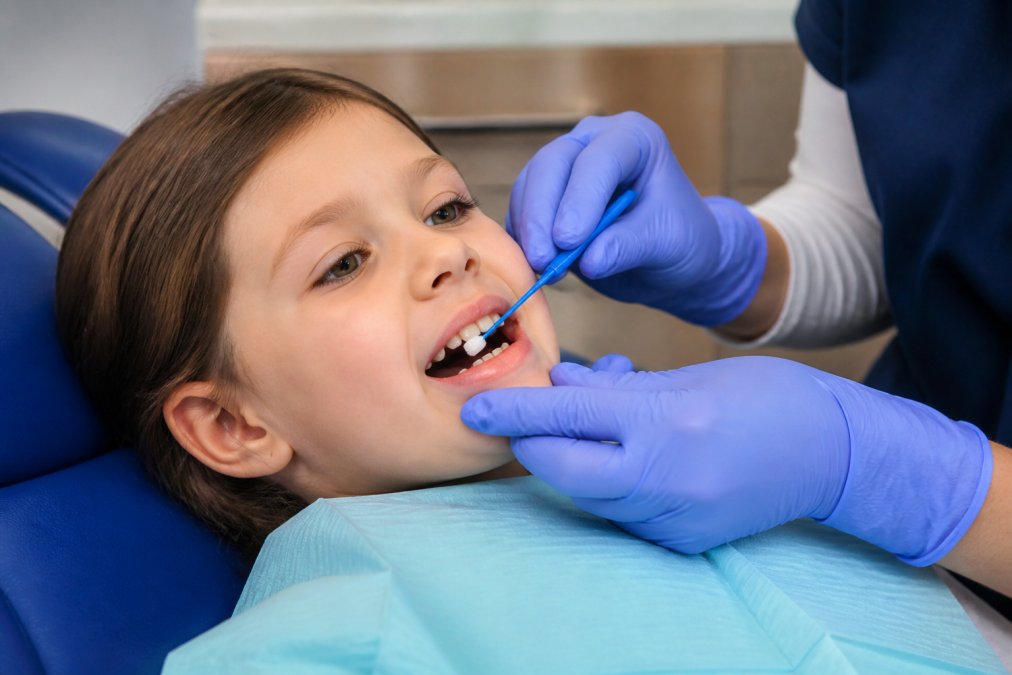
Fluoride treatment is the professional application of a concentrated fluoride product to a child's teeth to strengthen enamel and reduce the risk of cavities. At ALLDENT Family Dental, we apply it as a quick step during routine check-ups.
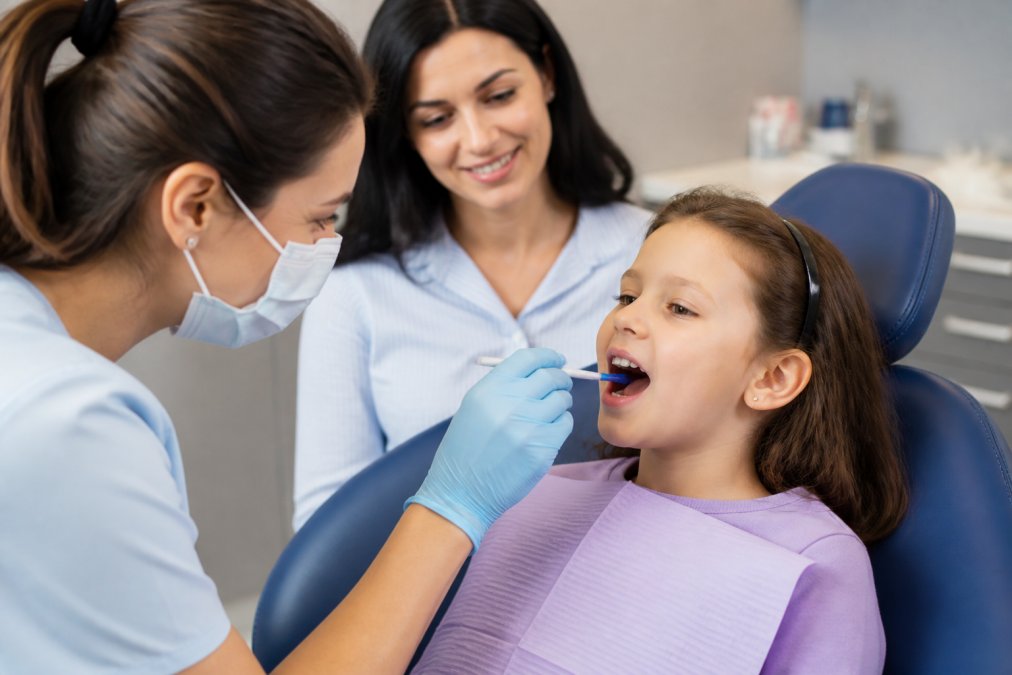
The most common form is fluoride varnish, a sticky, honey-colored coating painted onto the chewing surfaces and sides of each tooth. It hardens on contact with saliva, so it stays in place for hours rather than rinsing away.
Fluoride Varnish vs. Systemic Fluoride
These two approaches work differently, and it helps to know which is which.
The Real Benefits of Fluoride Varnish for Toddlers
The main benefit is straightforward: fluoride varnish reduces early tooth decay in young children, especially those at higher risk. Toddlers are a prime group because their enamel is still maturing and their brushing habits are, frankly, a work in progress.
Here is what the treatment does in practice:
- Strengthens enamel so it resists acid attacks from juice, snacks, and bacteria
- Reverses early decay by supporting enamel remineralization before a cavity forms
- Creates a protective barrier that keeps working for months after application
- Slows cavity progression in teeth that already show early signs of decay
How Often Should a Child Get Fluoride Treatment?
For most children, fluoride varnish is applied every six months, timed with regular dental check-ups. Children at higher risk of decay may need it every three to four months.
Your dentist will assess factors like:
- Current and past cavity history
- Enamel quality and visible early decay
- Brushing and flossing habits at home
- Use of dental sealants or orthodontic appliances
- Fluoride exposure from water and toothpaste
Is Fluoride in Tap Water Enough for Kids?
For many children, fluoridated water provides meaningful baseline protection, but it is not always sufficient on its own. Water fluoridation is one of the most effective public health measures for reducing tooth decay across a population.
Safety, Side Effects, and Parental Concerns
Fluoride treatment for children is well established and considered safe when applied at recommended levels by a dental professional. But "safe" is not a satisfying answer for a parent who has read a scary headline. So let's get specific about what actually happens in the body, what the real risks are, and how to weigh the conflicting evidence you may have seen.
What the dose actually looks like
The amount of fluoride in a single varnish application is small and is measured in milligrams, not grams. A typical pediatric varnish dose delivers roughly the same fluoride a child would get from a few weeks of normal toothbrushing with fluoride toothpaste, but it is delivered topically, held on the enamel, and largely swallowed only in trace amounts as the coating wears off.
The real side effects, ranked by likelihood
- Mild nausea or stomach upset, the most commonly reported reaction, and usually only when a child swallows a noticeable amount of varnish. In a clinical setting this is uncommon because the varnish sets on contact with saliva.
- Temporary tooth discoloration, some varnishes leave a yellow or white film that wears off within a day or two. It is cosmetic and expected.
- Allergic reaction, rare, and typically tied to the resin or colophony base rather than the fluoride itself. Tell your dentist about any known adhesive or rosin allergies before application.
- Fluorosis, the one parents ask about most, and the one most misunderstood. Fluorosis is a cosmetic change (faint white streaks or, in severe cases, mottling) that develops only when a child swallows too much fluoride repeatedly over the years when permanent teeth are forming under the gums. A single varnish application cannot cause it. The risk comes from stacking multiple fluoride sources, varnish plus supplements plus fluoridated water plus swallowed toothpaste, without anyone tracking the total.
The 'over-treatment' question, addressed honestly
Some recent research has questioned whether routine fluoride varnish for every child is necessary, particularly for low-risk kids in communities with fluoridated water. That is a fair question, and it is not the same as saying fluoride is unsafe. The nuance is about frequency and targeting, not about whether the treatment works. A child with no decay history, good brushing, and consistent water fluoridation may not need varnish every six months.
How to prevent over-exposure at home
- Know your water source. If your community fluoridates, your child is already getting baseline systemic fluoride.
- Use only a rice-grain smear of fluoride toothpaste for children under three, and a pea-sized amount for ages three to six.
- Do not add fluoride mouthwash or supplements unless a dentist specifically recommends them for your child.
- Tell your dentist about every fluoride source, toothpaste, water, supplements, mouthwash, at each visit.
If you have specific concerns, bring them to your child's appointment. A dentist can walk you through exactly what is being applied and why. General guidance from Health Canada's fluoride and oral health information can also help you prepare questions.
The Verdict: Is Fluoride Treatment for Kids Worth It?
For most children, yes, but the more useful answer is worth it compared to what, and for which child. Here is how to think about it in practical terms.
The cost math
A fluoride varnish application is one of the least expensive preventive services in dentistry. A fluoride varnish application is one of the least expensive preventive services in dentistry. The Canadian Dental Care Plan (CDCP) covers fluoride varnish for eligible children, and most provincial children's dental programs and private insurance plans treat it as a covered preventive service.
How to check your coverage
- Provincial programs, most provinces offer children's dental programs for low-income families. Eligibility and covered services vary, so check your province's health ministry page.
- Canadian Dental Care Plan (CDCP), for families without private insurance, the federal plan covers a defined list of preventive services including fluoride varnish for eligible children. Check the official canada.ca page for current eligibility thresholds.
- Private insurance, call the number on the back of your benefits card and ask specifically whether fluoride varnish is covered, how often, and at what percentage. Many plans cover it twice a year with no co-pay.
- Dental schools and community health centers, many offer reduced-cost or sliding-scale preventive care, including varnish, for children.
Age-specific guidance
The 'worth it' answer shifts with age and risk:
- Under 3 (toddlers), the highest-value window for varnish. Enamel is still maturing, brushing is inconsistent, and early decay can progress fast. Most pediatric guidance supports varnish at least every six months once the first tooth erupts, and more often for high-risk toddlers.
- Ages 3-6, still high value, especially for children with white-spot lesions, nighttime bottle or sippy-cup habits, or a family history of decay. This is also the window when fluorosis risk from over-swallowing is highest, so coordination with home fluoride use matters.
- Ages 6-12, value depends more on individual risk. Children with sealants, good hygiene, and fluoridated water may need varnish less often. Children in braces, with dry mouth, or with a history of cavities benefit from continued applications.
- Teens, worth it mainly for those with ongoing decay risk, orthodontic appliances, or high sugar intake.
The bottom line
Fluoride treatment is not a cure-all, and it is not necessary on autopilot for every child at every age. It works best as one part of a broader preventive plan that includes:
- Daily brushing with fluoride toothpaste
- Flossing once teeth touch
- Limiting sugary drinks and snacks
- Regular dental check-ups
- Sealants where appropriate
Frequently Asked Questions
Do kids actually need fluoride treatment?
Fluoride treatment helps prevent tooth decay by strengthening enamel and reversing early signs of cavities. While children get some fluoride from toothpaste and drinking water, professional applications provide a higher concentration that offers extra protection, especially for kids at higher risk of dental caries. A dentist can assess your child's individual risk and recommend whether treatment is appropriate.
Why are some parents hesitant about fluoride for kids?
Some parents worry about fluorosis, a cosmetic condition that can cause white spots on teeth when young children are exposed to too much fluoride during enamel formation. Others have concerns about fluoride toxicity or prefer to avoid any additives. These concerns are valid, and a conversation with your dentist can help you weigh the benefits against the risks for your child's specific situation.
How does professional fluoride varnish differ from home toothpaste?
Fluoride varnish contains a much higher concentration of fluoride than toothpaste and is applied directly by a dental professional. It hardens on contact with saliva, creating a protective barrier that releases fluoride over several hours. Toothpaste provides daily low-level protection, while varnish offers a periodic boost, making them complementary rather than interchangeable.
At what age should children start receiving fluoride treatments?
Many dental professionals recommend starting fluoride varnish applications when a child's first tooth appears or by their first birthday. The exact timing depends on individual risk factors, including diet, oral hygiene habits, and whether the child has had cavities before. Your dentist can create an age-appropriate schedule based on your child's needs.
Is fluoride in tap water enough for kids?
Tap water with fluoride provides baseline protection for teeth throughout the day, but it may not be sufficient for children at higher risk of cavities. Kids who drink mostly bottled water, have a history of tooth decay, or wear braces may benefit from additional professional fluoride applications. Your dentist can help determine if water fluoride alone meets your child's needs.
A single cavity can mean multiple appointments, missed school, and a child who learns to dread the dentist. At ALLDENT Family Dental, we take a preventive-first approach, with personalized treatment plans, a family-friendly clinic, and modern digital imaging to make every visit precise and comfortable. If you are weighing whether fluoride treatment makes sense for your child, book an appointment and we will assess their individual risk and walk you through the options.