 listicle
Digital Dental Technology for Comfort
Table of Contents
- How Digital Dental Technology Transforms Patient Comfort
- Pain-Free Dental Injection Techniques for Anxious Adults
- Digital Intraoral Scanners and Comfort
- Benefits of Digital Dentistry for Patients
- Advanced Diagnostic Tools That Ease Patient Anxiety
- Sedation and Distraction Technologies for Nervous Patients
- The Psychological Impact of Modern Dental Technology
- What to Expect When Choosing a Technology-Forward Dental Practice
- Frequently Asked Questions
Last Updated: September 1, 2026
How Digital Dental Technology Transforms Patient Comfort
Modern dental technology has fundamentally changed what a visit feels like. Digital dental technology for comfort addresses the core problem: traditional dentistry relies on tools and techniques designed decades ago, many of which trigger genuine fear responses. Intraoral scanners replace uncomfortable impression trays. Computerized anesthesia delivery systems eliminate the needle's intimidation factor. Laser diagnostics detect problems without drilling. At ALLDENT Family Dental, we've integrated these technologies specifically because we work with patients who've had bad experiences before. Below, we'll show you exactly how modern digital tools transform the patient experience, from the moment you sit down to the moment you leave.
Pain-Free Dental Injection Techniques for Anxious Adults
The injection is where most anxiety peaks. Computerized anesthesia delivery systems change everything by delivering anesthetic at a controlled, consistent rate that human hands cannot match. Traditional syringes rely on manual pressure, which varies throughout the injection and causes pain. Computerized systems eliminate that variable entirely.
Computerized Anesthesia Delivery Systems
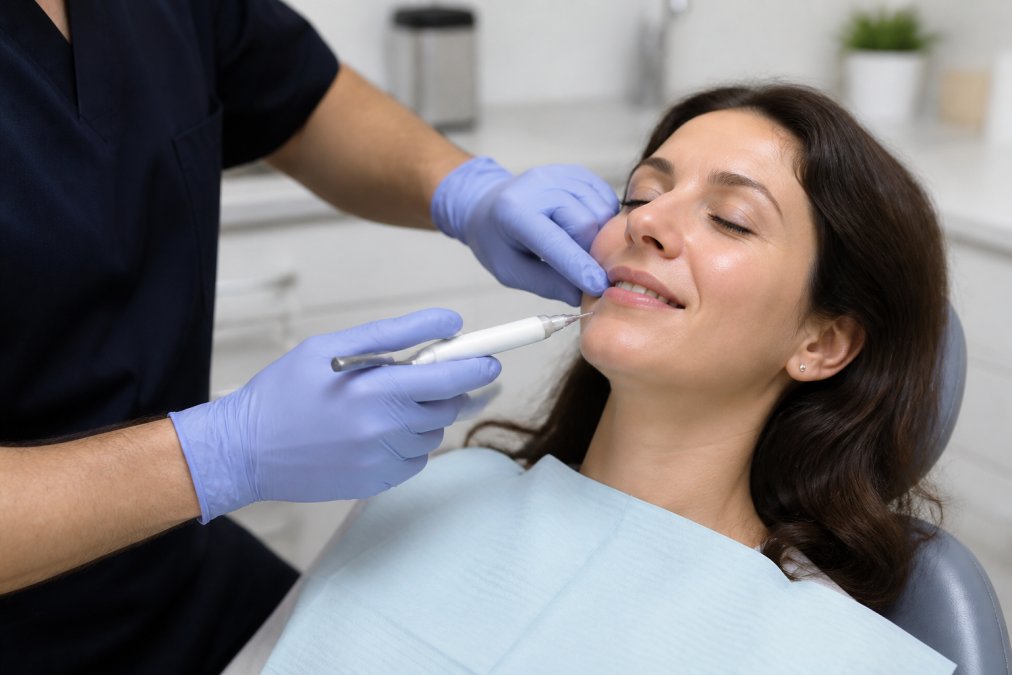
The Wand and similar computerized systems deliver anesthetic at a controlled, consistent rate that human hands cannot match. These devices look like a pen rather than a syringe, which immediately reduces psychological impact. The precision targets specific areas with exact dosing, meaning less anesthetic spreads to surrounding tissues. You avoid the numb, heavy feeling in your lip and cheek that lasts for hours after a traditional injection.
Motorized Precision Devices
Motorized anesthesia devices maintain exact pressure throughout the entire injection, removing human variation. The motor allows dentists to adjust delivery speed in real-time based on patient response. This responsiveness, combined with mechanical precision, creates an injection experience that's genuinely different from traditional methods.
Digital Intraoral Scanners and Comfort
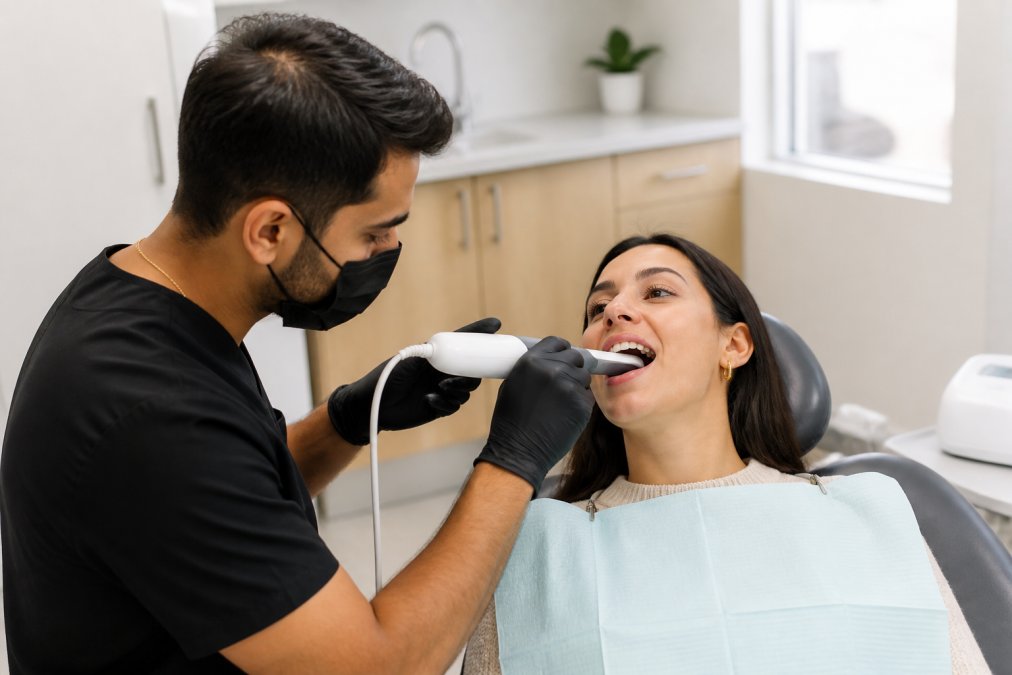
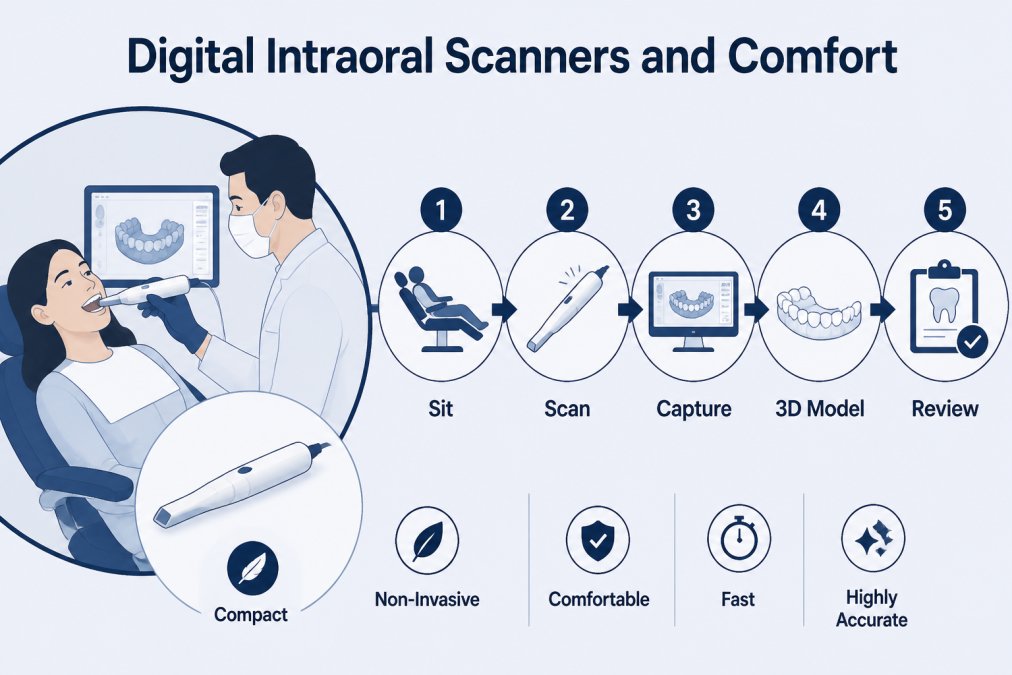
Traditional impression trays trigger gag reflex in most patients. Digital intraoral scanners eliminate this entirely by using optical technology to capture a digital 3D model of your teeth without any material entering your mouth.
Eliminating Traditional Impression Discomfort
Intraoral scanners use optical technology to capture a digital 3D model of your teeth without any material entering your mouth. The scanner is a small wand that glides across your teeth, taking thousands of images per second. There's no gagging, no pressure, no material taste. Digital scans capture details that traditional impressions miss, resulting in better-fitting crowns, bridges, and orthodontic appliances with fewer adjustments needed after delivery.
Real-Time Visualization and Patient Confidence
One feature that changes the psychological experience is seeing your teeth on a screen as the scan happens. The dentist can show you the 3D model in real-time, explaining what they see and what the plan is. When you can see the digital model, you understand the treatment plan visually. This shift from mystery to transparency significantly reduces anxiety for many patients.
Benefits of Digital Dentistry for Patients
Faster Treatment Planning and Reduced Chair Time
Digital workflows eliminate steps that traditional dentistry requires. With a digital scan, the dentist can send the file directly to a lab or CAD/CAM system without waiting for impression material to cure or shipping delays. Reduced chair time matters significantly for anxious patients, sitting in a dental chair is inherently stressful, and the longer you're there, the more anxiety builds.
Improved Diagnostic Accuracy and Early Detection
Digital radiography and advanced imaging tools detect problems earlier than traditional methods. Catching decay in its early stages means simpler, less invasive treatment. Early detection also means less extensive treatment overall, which directly improves comfort and reduces anxiety about future visits.
Advanced Diagnostic Tools That Ease Patient Anxiety
Laser Cavity Detection Without Discomfort
DIAGNOdent laser cavity detection identifies decay without any physical contact or discomfort (peer-reviewed research). A small laser wand scans your teeth, and the system detects changes in tooth structure that indicate decay. No probing, no pressure, no guessing. The system is so sensitive it can detect decay before it's visible on X-rays. This technology is particularly valuable for anxious patients because it removes uncertainty and gives objective readings displayed on a screen.
HD Intraoral Cameras for Transparent Communication
HD intraoral cameras let you see exactly what the dentist sees during the examination (the American Dental Association). A small camera captures high-definition images of your teeth and gums, displaying them on a screen you can watch. The dentist can point out specific areas, explain findings, and show you what treatment is necessary. When you can see the issue, you're more likely to accept the treatment recommendation and less likely to feel anxious about what's happening.
Sedation and Distraction Technologies for Nervous Patients
Nitrous Oxide and Oral Sedation Options
Nitrous oxide, commonly called laughing gas, is administered through a small mask placed over your nose. You remain fully conscious and able to respond to instructions, but you feel relaxed and euphoric. The effects begin within minutes and wear off quickly once the mask is removed. Oral sedation offers a deeper level of relaxation through a prescribed pill taken before your appointment, allowing more complex or lengthy procedures to be completed in a single visit.
Virtual Reality as a Non-Medication Alternative
Virtual reality distraction therapy uses immersive environments to redirect your attention away from the dental procedure (peer-reviewed research). You wear a VR headset that places you in a calming scene, a beach, forest, or any environment you choose. Your brain cannot simultaneously process the immersive virtual environment and the dental procedure with equal attention. This approach appeals to patients who prefer to avoid medication, with no drugs, side effects, or recovery time needed.
The Psychological Impact of Modern Dental Technology
Beyond physical comfort improvements, digital dental technology addresses the psychological dimension of dental anxiety. Fear often stems from loss of control, uncertainty, and past negative experiences. When you can see what's happening through intraoral cameras and 3D scans, you regain control. Uncertainty disappears when the dentist shows you objective findings. For patients with past trauma, the elimination of uncomfortable sensations matters psychologically as much as physically. After a comfortable visit using modern technology, your anxiety about the next visit decreases, making you more likely to schedule preventive visits before problems become emergencies.
What to Expect When Choosing a Technology-Forward Dental Practice
Your first visit will likely include a digital scan instead of traditional impressions. You'll see your teeth on a screen. The dentist will explain findings using images rather than verbal descriptions. If you need an injection, you'll experience computerized anesthesia delivery that feels fundamentally different from traditional methods. Subsequent visits will be shorter because digital workflows eliminate redundant steps. Same-day restorations become possible for some treatments, eliminating the need for multiple appointments.
ALLDENT Family Dental integrates these technologies specifically for patients who've had difficult experiences before. The combination of digital scanning, computerized anesthesia delivery, advanced diagnostics, and a patient-centered approach creates an experience that's genuinely different from traditional dentistry. Whether you're managing mild anxiety or severe dental phobia, the technology available today removes many of the physical and psychological barriers that previously made dental care difficult.
Dental anxiety shouldn't keep you from the care you need. At ALLDENT Family Dental, we've invested in digital dental technology for comfort specifically because we understand how fear affects patients' willingness to seek treatment. Our computerized anesthesia delivery systems, intraoral scanners, and advanced diagnostic tools remove the sources of discomfort that create anxiety in the first place. Combined with personalized treatment plans and a genuinely calm environment, these technologies make dental care accessible for nervous patients. Book an appointment with us and experience how modern dentistry can be genuinely comfortable.
Frequently Asked Questions
Q: How does digital dental technology reduce patient anxiety?
A: Digital dental technology reduces anxiety through multiple pathways. Computerized injection devices deliver anesthetic gradually and precisely, eliminating the sudden pressure and pain of traditional syringes. Intraoral scanners replace uncomfortable impression materials that trigger gag reflexes. HD cameras and real-time visualization let patients see exactly what the dentist sees, removing fear of the unknown. Combined, these tools transform the dental experience from something to dread into something transparent and manageable.
Q: What are the benefits of digital impressions over traditional molds?
A: Digital impressions captured by intraoral scanners eliminate the messy, gag-inducing alginate or silicone molds used in traditional dentistry. They're faster, more accurate, and instantly shareable with labs for faster turnaround. Patients experience no discomfort from materials in their mouth, and the precision reduces the need for adjustments after restorations are made. For anxious patients, this single change can make the difference between avoiding the dentist and seeking regular care.
Q: Is digital dental technology safer than traditional methods?
A: Digital technology is generally as safe as or safer than traditional methods, with specific advantages in different areas. Digital radiography uses significantly less radiation than older X-ray equipment. Laser cavity detection (DIAGNOdent) identifies decay without invasive probing. Computerized anesthesia delivers precise doses, reducing the risk of over-injection. However, all dental procedures carry some inherent risk; safety depends on the skill of the dentist and appropriate patient screening. Always discuss your medical history with your dental team before any procedure.
Q: How does intraoral scanning improve the patient experience?
A: Intraoral scanning improves the experience by replacing uncomfortable traditional impressions with a quick, non-invasive process. The scanner wand is small and easy to position, eliminating gagging and the claustrophobic feeling of having materials packed in the mouth. Patients see their teeth in real-time on a screen, which increases understanding and engagement. The scan is instantly available to the lab, meaning faster turnaround on crowns, bridges, and other restorations, often reducing the number of appointments needed.
This article was written using GrandRanker