 listicle
Cosmetic Dentistry Before and After: Real Results
Table of Contents
- Cosmetic Dentistry Before and After: What Transformations Look Like
- Porcelain Veneers: Cost, Durability, and Visual Impact
- Teeth Whitening Results and Long-Term Maintenance
- Dental Bonding Before and After: Fixing Chips and Gaps
- Invisalign Treatment Duration and Smile Alignment Results
- Gingival Contouring and Smile Design for Balanced Aesthetics
- Choosing Your Cosmetic Dentistry Treatment: Suitability and Recovery
- Conclusion
Last Updated: August 28, 2026
Cosmetic Dentistry Before and After: What Transformations Look Like
Cosmetic dentistry before and after results reveal what's possible when modern techniques meet personalized treatment planning. Whether you're considering porcelain veneers, teeth whitening, or clear aligners, understanding what to expect helps you make an informed decision about your smile.
At ALLDENT Family Dental, we guide patients through cosmetic treatments that address discoloration, misalignment, gaps, and chips. Below, we'll walk you through the most popular cosmetic dentistry procedures, what the results typically look like, and how to choose the right treatment for your situation.
Porcelain Veneers: Cost, Durability, and Visual Impact
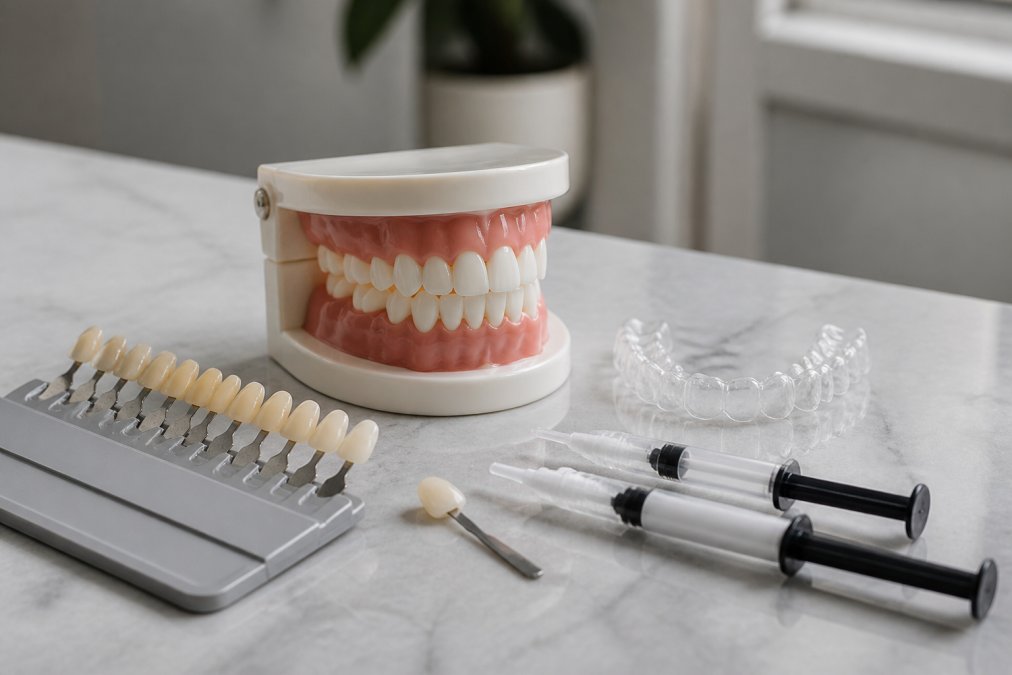
Porcelain veneers are thin ceramic shells bonded to the front of your teeth. They address severe discoloration, chips, gaps, and misalignment by completely reshaping the visible tooth surface. The procedure involves removing a thin layer of enamel, then bonding a custom-made porcelain shell that matches the shade, shape, and translucency of surrounding teeth.
Unlike composite bonding, porcelain maintains its appearance for 10-20 years with proper care (the American Dental Association). The process typically takes two to three appointments: assessment and shade selection, preparation and temporary placement, and final bonding. Recovery is minimal with no downtime, though you may experience slight sensitivity to temperature for a few days.
One key consideration: veneers require permanent tooth preparation. Once chosen, you'll need veneers or another restoration on those teeth for life. They're best suited for patients with healthy teeth who want dramatic aesthetic change. If you have significant decay, gum disease, or bite problems, address those first.
Teeth Whitening Results and Long-Term Maintenance
Professional teeth whitening is one of the fastest cosmetic dentistry transformations, lightening teeth by multiple shades in a single session.
In-Office Whitening: Immediate Results and Shade Expectations
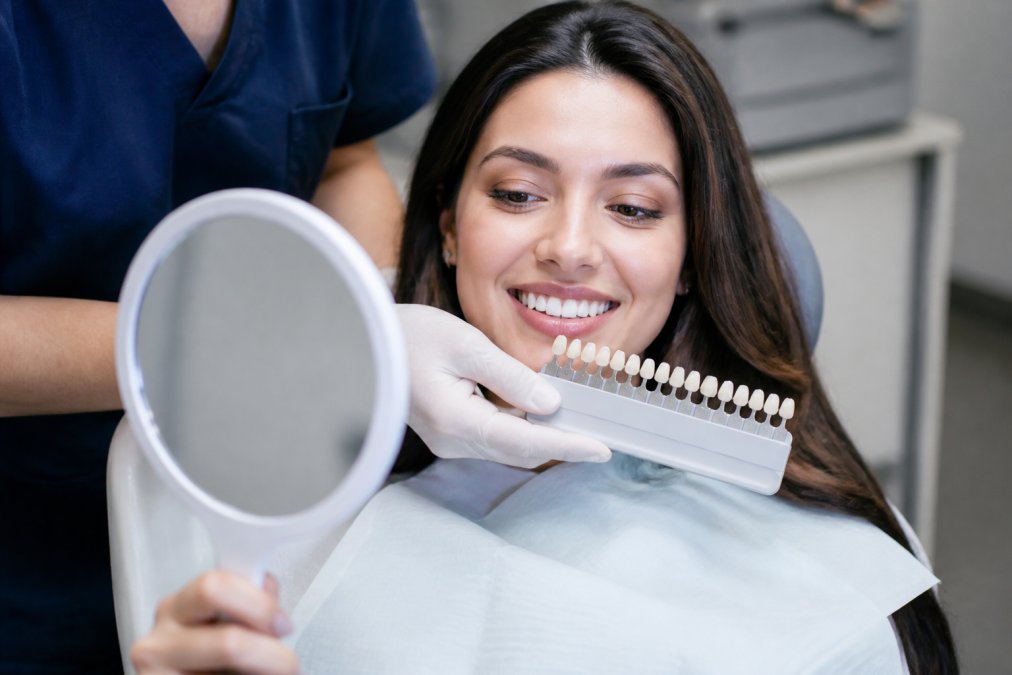
In-office whitening uses professional-grade peroxide gel (15-35%) activated by light or heat. Results are visible immediately and continue improving over 24 hours. Most patients see a shift of 2-8 shades on the VITA shade guide (peer-reviewed research). A patient with moderate yellowing typically reaches bright white in one session, though results vary based on underlying tooth structure, yellow tones whiten more dramatically than greyish tones.
Sensitivity During and After Treatment
Tooth sensitivity is the most common side effect, peaking 24-48 hours after treatment and resolving within 3-7 days (peer-reviewed research). To minimize sensitivity, your dentist may apply a fluoride or potassium nitrate desensitizing gel before or after whitening. Using a soft-bristled toothbrush and avoiding acidic foods and drinks for 48 hours also reduces discomfort.
How Long Results Last and Why They Fade
Results typically last 6-12 months, though this varies based on lifestyle. Coffee, red wine, dark cola, and smoking contain chromogens, pigmented molecules that bind to enamel. A patient who drinks 2-3 cups of coffee daily will see yellowing return within 6 months. Tooth whitening also doesn't affect underlying dentin darkening from age; it addresses only the enamel layer.
Touch-Up Schedules and Cost-Effective Maintenance
Most patients benefit from touch-up treatments every 6-12 months. A touch-up typically takes 30-45 minutes and costs less than initial whitening. At-home custom trays provided by your dentist offer a gentler alternative for maintenance, using professional-grade gel (10-15% peroxide) worn for 30 minutes to 2 hours nightly. Results appear gradually over 1-2 weeks with less sensitivity. Over-the-counter strips use lower concentrations (3-10%) and deliver inconsistent results.
Limitations: Restorations Don't Whiten
Whitening doesn't work on crowns, veneers, composite fillings, or bonding. If your front teeth include restorations, whitening will make them stand out against newly brightened natural teeth. Discuss timing with your dentist, some patients whiten first, then replace restorations to match the final shade.
Dental Bonding Before and After: Fixing Chips and Gaps
Dental bonding uses composite resin to repair chips, close gaps, and reshape teeth. Your dentist applies composite directly to the tooth, sculpts it to the desired shape, and hardens it with a special light. The entire process takes 30-60 minutes per tooth with no tooth preparation required and no recovery time.
Results are excellent for small to moderate issues. However, bonding stains more easily, wears faster with heavy chewing, and may chip if you bite hard objects. Bonded teeth typically last 5-10 years before needing touch-up or replacement. Bonding is an excellent choice if you want immediate results without permanent tooth modification. If you're looking for longevity and stain resistance, veneers are the stronger option.
Invisalign Treatment Duration and Smile Alignment Results
Clear aligners like Invisalign straighten teeth without visible braces. Treatment involves wearing a series of custom trays that gradually move teeth into alignment. Treatment duration typically ranges from 6 to 24 months, depending on complexity. Mild crowding may resolve in 6-12 months; severe misalignment may take 18-24 months.
Clear aligners offer several advantages: they're nearly invisible, removable for eating and oral hygiene, and require no wire tightening. The catch: they only work if worn consistently, most plans require 20-22 hours of daily wear. After treatment, retention is critical. Most patients wear a fixed retainer bonded to the back of their lower front teeth permanently, plus a removable retainer worn nightly.
Cost is comparable to traditional braces, and many insurance plans cover a portion of orthodontic care.
Gingival Contouring and Smile Design for Balanced Aesthetics
Gingival contouring reshapes the gum line to address a "gummy smile" or uneven gum heights. The procedure uses a laser or scalpel to remove excess gum tissue and reshape the gum line in one appointment with local anesthesia. Recovery takes 1-2 weeks as gums heal. Your teeth appear longer and more proportionate.
Gingival contouring is often combined with other cosmetic procedures for ideal smile design. The results are permanent, gum tissue doesn't regrow, so proper oral hygiene and regular dental visits help maintain healthy gums after the procedure.
| Procedure | Recovery Time | Longevity | Best For |
|---|---|---|---|
| Porcelain Veneers | Minimal (days) | 10-20 years | Severe discoloration, chips, gaps |
| Teeth Whitening | None | 6-12 months | Surface staining, yellowing |
| Dental Bonding | None | 5-10 years | Small chips, minor gaps |
| Invisalign | None | Permanent (with retainers) | Crowding, spacing, mild misalignment |
| Gingival Contouring | 1-2 weeks | Permanent | Gummy smile, uneven gum line |
Choosing Your Cosmetic Dentistry Treatment: Suitability and Recovery
Selecting the right cosmetic dentistry procedure depends on your goals, timeline, budget, and dental health. Your dentist evaluates your teeth, gums, bite, and overall oral health to recommend the best option.
Identifying Your Primary Concern and Realistic Expectations
Start by identifying your main concern: discoloration, misalignment, chips, gaps, or shape? Your answer narrows the options. Be realistic about what each procedure can achieve. Whitening brightens but doesn't reshape. Bonding closes gaps but may chip with heavy use. Veneers reshape but require permanent tooth modification. Invisalign straightens but doesn't whiten or close large gaps.
Timeline: Immediate Results vs. Phased Transformation
Whitening and bonding deliver immediate results. Veneers take 2-3 appointments over 2-4 weeks. Invisalign takes 6-24 months. If you need fast results for an upcoming event, whitening or bonding fits. Many patients benefit from a phased approach that spreads treatment over months or years, allowing you to adjust expectations and see intermediate results before committing to the next phase.
Cost Ranges and Financing Options
For accurate pricing tailored to your specific needs and smile goals, consult directly with your dentist, who can provide a personalized treatment plan and cost estimate. Many practices offer in-house payment plans or third-party financing. Some dental insurance covers a portion of orthodontics but rarely covers purely cosmetic procedures.
Candidate Suitability: When to Proceed and When to Wait
Your dentist screens for several factors: untreated decay, gum disease, or poor bite should be addressed first. Severely worn or thin enamel may require bonding instead of veneers. Significant bite problems may require orthodontics before cosmetic work. If you grind your teeth, bonding and veneers wear faster, your dentist may recommend a night guard or more durable options. Ensure your expectations are realistic; cosmetic dentistry enhances your natural features and boosts confidence rather than transforming your identity.
Recovery and Downtime: Which Procedures Fit Your Schedule
Zero downtime: Whitening, bonding, and clear aligners have no recovery period.
Minimal downtime (1-3 days): Veneers cause minor sensitivity for a few days.
Moderate downtime (1-2 weeks): Gingival contouring requires healing time; avoid hard, crunchy, or hot foods.
Ongoing commitment: Clear aligners require consistent wear and discipline about cleaning and maintenance.

Using Digital Smile Design to Visualize Your Results
Digital smile design tools let you see your projected cosmetic dentistry before and after results before committing to treatment. Your dentist uploads a photo of your smile, then uses software to simulate veneers, whitening, bonding, or gum contouring. You can adjust shade, shape, and proportions until satisfied. This visual preview builds confidence and ensures alignment on goals. Ask your dentist if they use digital smile design during your consultation.
Frequently Asked Questions
Q: What is the most popular cosmetic dental procedure?
A: Teeth whitening and porcelain veneers rank among the most requested cosmetic dentistry procedures. Whitening offers fast, noninvasive stain removal and improved tooth discoloration in a single session. Veneers provide more dramatic smile makeover results by reshaping tooth appearance and closing gaps. The choice depends on your goals: whitening for brightness, veneers for comprehensive aesthetic correction. A consultation helps determine which procedure aligns with your smile design preferences.
Q: How much does cosmetic dentistry cost in Ontario?
A: Cosmetic dentistry pricing varies widely based on the procedure and complexity. Porcelain veneers typically range higher than composite resin options due to durability and aesthetics. Teeth whitening and dental bonding are generally more affordable starting points. Invisalign treatment depends on case complexity and duration. For accurate pricing tailored to your specific needs and smile goals, consult directly with your dentist, who can provide a personalized treatment plan and cost estimate.
Q: Are cosmetic dental procedures covered by insurance?
A: Most cosmetic dentistry procedures are not covered by standard dental insurance because they are elective and aesthetic rather than medically necessary. However, some procedures that improve both function and appearance, such as bonding to repair a chipped tooth or orthodontics for severe malocclusion, may receive partial coverage depending on your plan. Check your specific policy and discuss coverage options with your dental provider before treatment.
Q: What should I expect during recovery and downtime from cosmetic dental work?
A: Recovery varies by procedure. Teeth whitening has no downtime and sensitivity typically subsides within days. Veneers require minimal recovery, though teeth may feel slightly sensitive to temperature for a short period. Dental bonding is immediate with no recovery needed. Invisalign involves no recovery but requires consistent wear. Most cosmetic procedures allow you to return to normal activities immediately. Your dentist will provide specific aftercare instructions based on your treatment.
This article was written using GrandRanker