 listicle
Best Dentist for Cosmetic Work: What to Look For
Table of Contents
- What Makes the Best Dentist for Cosmetic Work
- Common Cosmetic Dental Procedures in 2026
- Credentials and Training to Verify
- Cosmetic Dentistry Consultation Checklist
- Understanding the Cost of Cosmetic Dentistry
- Digital Smile Design and Modern Technology
- Questions to Ask Before Choosing Your Dentist
- Conclusion
- Frequently Asked Questions
Last Updated: September 3, 2026
What Makes the Best Dentist for Cosmetic Work
Finding the best dentist for cosmetic work requires understanding what separates a truly skilled cosmetic practitioner from a general dentist who dabbles in aesthetic treatments. A cosmetic dentist brings specialized training, advanced technology, and a refined eye for facial proportions and smile design.
The best dentist for cosmetic work demonstrates three core qualities: technical mastery of aesthetic procedures, investment in modern diagnostic tools, and a patient-centered approach that prioritizes your comfort and vision. They understand that cosmetic dentistry isn't vanity, it's oral rehabilitation that improves function, protects teeth long-term, and transforms confidence.
Common Cosmetic Dental Procedures in 2026
Modern cosmetic dentistry has shifted toward minimally invasive techniques and predictable outcomes. Digital planning and advanced materials mean faster results with less tooth preparation than a decade ago.
Teeth Whitening and Bonding
Professional Teeth Whitening
In-office whitening delivers dramatic results in 30-60 minutes (the American Dental Association). The dentist applies high-concentration peroxide gel, sometimes activated by specialized light, then rinses and reapplies until the desired shade is reached. Sensitivity is the primary concern, some patients experience temporary sensitivity to cold for 24-48 hours, manageable with sensitivity toothpaste. Avoid staining foods and drinks for 48 hours after treatment. Results last 6 months to 2 years depending on diet and habits.
At-home kits prescribed by your dentist offer a gentler alternative for sensitive teeth. You wear custom trays with lower-concentration gel for 30 minutes to several hours daily over 1-2 weeks, with results developing gradually but with less sensitivity.
Dental Bonding
Dental bonding uses tooth-colored composite resin to address chips, gaps, and minor discoloration. The dentist applies resin directly to the tooth, shapes it to match natural contour, and hardens it with UV light. The procedure is reversible and requires minimal tooth removal.
Bonding typically requires no anesthesia and takes 30-60 minutes per tooth with no recovery time. You can eat and drink normally immediately afterward. Bonding lasts 5-7 years before requiring touch-ups, depending on your bite and habits.
Veneers and Contouring
Porcelain Veneers
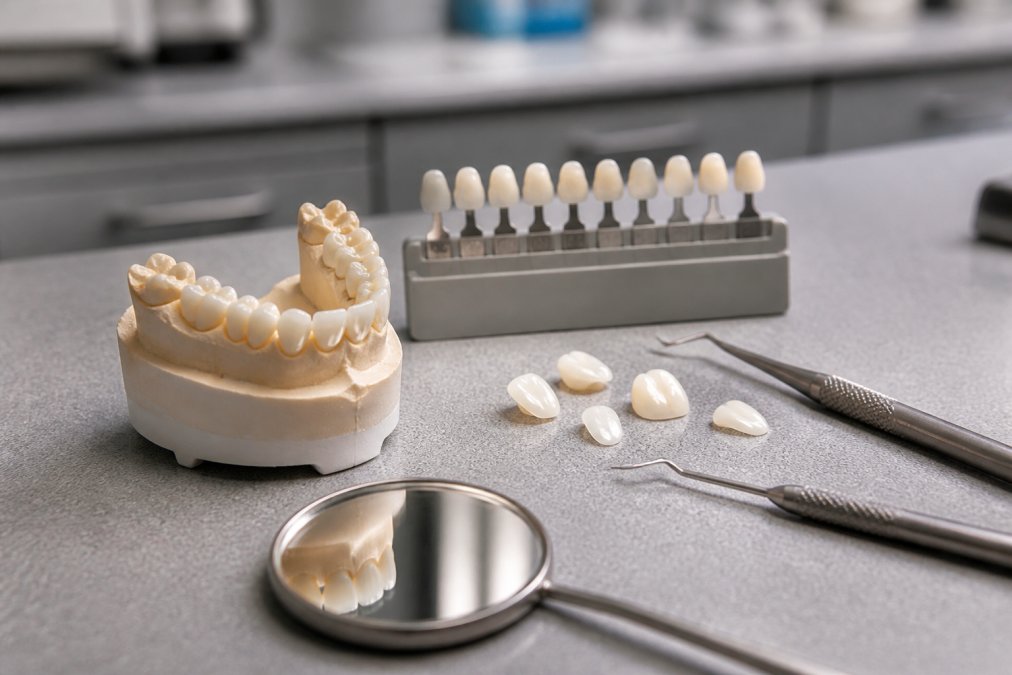
Porcelain veneers are thin shells (0.5-0.7 mm) bonded to tooth surfaces to reshape, close gaps, or correct discoloration. The process involves two appointments: preparation and placement.
At preparation, the dentist removes a thin enamel layer under local anesthesia and places a temporary veneer while the permanent one is custom-fabricated in a lab (1-2 weeks). At placement, the temporary veneer is removed, the tooth is cleaned, and the permanent veneer is bonded with dental cement. The appointment takes 1-2 hours.
Sensitivity is common for the first few days after placement because enamel has been removed, typically subsiding within a week. You can eat normally immediately, though avoiding very hard or sticky foods for the first week is wise. Veneers last 10-15 years with proper care.
Enamel Contouring
Enamel contouring subtly reshapes tooth edges to improve symmetry and proportion. It requires no anesthesia, takes 20-30 minutes, and involves using a dental burr to carefully remove small amounts of enamel, then polishing smooth. There is no recovery time or sensitivity. Results are immediate and permanent but limited to small adjustments (typically 1-2 mm per tooth).
Gum Contouring
Gum contouring adjusts the visible gum line to create better tooth-to-gum proportion. The procedure uses a laser or scalpel to remove excess gum tissue, then sutures are placed while healing occurs.
Expect mild discomfort during the procedure (managed with local anesthesia) and mild soreness for 3-5 days afterward. Swelling peaks at 24-48 hours and gradually subsides over 1-2 weeks. Avoid hard, crunchy, or spicy foods for the first week and rinse gently with salt water. Sutures are typically removed after 7-10 days. Full healing takes 4-6 weeks, though cosmetic improvement is visible immediately.
Invisalign and Implants
Invisalign and Clear Aligners
Invisalign uses custom-made clear plastic aligners to gradually straighten teeth over 6-18 months (the American Dental Association). You wear each set for 1-2 weeks, then switch to the next set. Unlike traditional braces, aligners are removable and nearly invisible, working best for mild to moderate spacing and alignment issues.
Expect mild discomfort and pressure for the first few days after inserting a new set, indicating the aligners are working. You must wear aligners 20-22 hours daily for treatment to stay on schedule; removing them frequently delays progress.
Dental Implants
Dental implants replace missing teeth with a titanium post surgically placed into the jawbone, topped with an abutment and custom crown (peer-reviewed research). They're the gold standard for tooth replacement because they preserve bone structure and function like natural teeth. Treatment typically spans 4-6 months from placement to final crown.
Surgical placement involves making an incision, drilling into bone, and inserting the titanium post. The gum is sutured closed, and the implant integrates with bone (osseointegration) for 3-6 months. Once integration is complete, the dentist attaches an abutment and places a custom crown.
Implant surgery involves moderate discomfort during recovery. Swelling and bruising peak at 24-48 hours and gradually resolve over 1-2 weeks. Avoid hard, crunchy, or hot foods for the first week and refrain from smoking, which impairs healing. Strenuous exercise should be avoided for 3-5 days. Once the crown is placed, implants function like natural teeth with no special care beyond normal brushing and flossing. Implants last 25+ years with proper maintenance.
Credentials and Training to Verify
Not all dentists who perform cosmetic work have formal cosmetic training. Look for dentists who hold membership in recognized dental organizations that require continuing education in cosmetic procedures. In Canada, the Academy of General Dentistry and the Canadian Dental Association set professional standards. Many cosmetic specialists pursue additional certifications through postgraduate programs in aesthetic dentistry or prosthodontics.
Ask directly: How many cosmetic cases has this dentist completed? What specific training have they pursued beyond their general degree? Can they show before-and-after photos of similar cases? Board certification in prosthodontics indicates advanced training in complex restorative and cosmetic cases. However, general dentists with extensive cosmetic experience and ongoing education can deliver excellent results. The key is demonstrated expertise and commitment to staying current with techniques and materials.
Dr. Rami Gilada at ALLDENT Family Dental brings 9+ years of clinical experience combined with a patient-centered approach to smile design. The practice invests in modern diagnostic technology, including digital imaging, to plan treatments with precision and show patients realistic previews before beginning work.
Cosmetic Dentistry Consultation Checklist
A quality consultation reveals whether a dentist truly understands your goals and has the skill to deliver them.
Before Your Appointment:
- Write down specific concerns (spacing, color, shape, alignment, gum line)
- Gather photos of smiles you admire
- List any previous dental work or sensitivities
- Note your budget range and timeline expectations
During the Consultation:
- Does the dentist listen more than they talk?
- Do they explain your options in plain language?
- Do they show before-and-after photos of their own work?
- Can they articulate why they recommend specific procedures for your case?
- Do they discuss realistic timelines and costs upfront?
- Do they use digital imaging or smile design software to show potential outcomes?
After the Consultation:
- Did you feel rushed or pressured into treatment?
- Are you confident in the dentist's expertise?
- Do you trust their recommendations?
A strong consultation feels collaborative, not transactional. The dentist should explain why they recommend certain procedures, not just what they can do.
Understanding the Cost of Cosmetic Dentistry
Cost is often the primary barrier to cosmetic dental treatment. Understanding realistic ranges and what insurance may cover helps you plan financially.
Typical Cost Ranges by Procedure
Teeth Whitening: Pricing for professional teeth whitening depends on the specific treatment plan. Results last 6 months to 2 years.
Dental Bonding: Pricing for dental bonding depends on the number of teeth and complexity. Bonding lasts 5-7 years before requiring touch-ups.
Porcelain Veneers: Pricing for porcelain veneers depends on the number of veneers and specific requirements. Veneers last 10-15 years.
Invisalign and Clear Aligners: Pricing for Invisalign depends on complexity and duration (6-18 months).
Dental Implants: Pricing for dental implants depends on the specific case, including the titanium post, abutment, and crown. Implants last 25+ years.
Gum Contouring: Pricing for gum contouring depends on the extent of reshaping needed.
Insurance Coverage and What to Expect
Most dental insurance plans classify cosmetic procedures as elective and do not cover them. However, coverage depends on whether the procedure serves a functional purpose alongside aesthetic improvement.
Typically Not Covered: Teeth whitening, veneers placed for appearance alone, bonding for cosmetic reasons, gum contouring for a "gummy smile."
May Be Partially Covered: Dental implants replacing a missing tooth (often 50% coverage after deductible), Invisalign or braces for significant bite problems affecting function, bonding to repair a broken tooth, gum contouring if part of treating gum disease.
Before committing to treatment, request that your dentist submit a pre-authorization form to your insurance company. This clarifies what will be covered and prevents surprise bills. Many plans have annual maximums, which may limit coverage for extensive cosmetic work.
Hidden Costs and Variables
Several factors can increase the final cost beyond the initial quote: additional appointments for adjustments or refinements, temporary restorations, tooth preparation for decay removal or shaping, bone grafting for implants, anesthesia and sedation, and eventual replacement of veneers, bonding, and implant crowns.
Many dental practices offer in-house payment plans or partner with third-party financing companies to spread costs over 6-24 months. Some plans are interest-free for a set period; others charge interest. A transparent dentist discusses these options upfront and provides a written estimate before treatment begins.
Digital Smile Design and Modern Technology
Digital smile design (DSD) has transformed how cosmetic dentists plan treatments. This technology uses digital photography and software to analyze your facial proportions, tooth shape, and gum line, then creates a preview of your smile after treatment. The benefit is profound: you see exactly what the dentist is aiming for before any work begins, reducing surprises and aligning expectations.
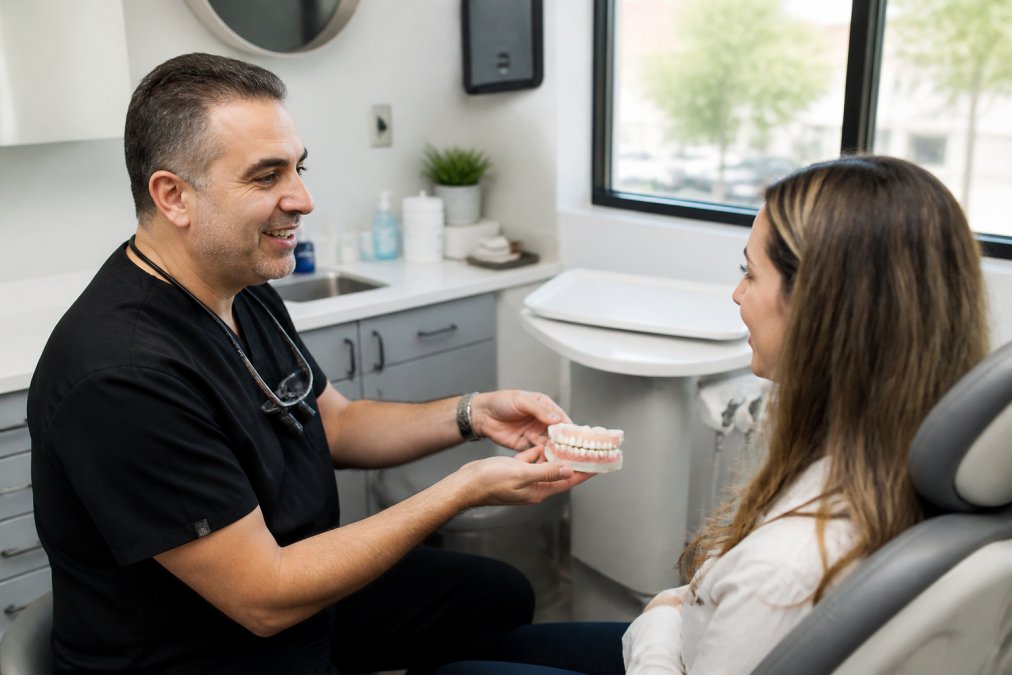
3Shape Smile Design and Digital Smile Design are two leading platforms that allow real-time collaboration between you and your dentist to refine the design. Beyond smile design, digital imaging, including intraoral cameras and 3D cone-beam scans, gives your dentist a detailed map of your teeth, bone, and gums, enabling minimally invasive treatment planning and more predictable results.
Ask whether your dentist uses digital smile design and request to see a preview before committing to treatment.
Questions to Ask Before Choosing Your Dentist
On Experience and Expertise:
- How many cosmetic cases do you complete each month?
- What specific training have you pursued in cosmetic dentistry?
- Can you show me before-and-after photos of cases similar to mine?
- How do you handle cases where results don't meet expectations?
On Your Specific Procedure:
- Why do you recommend this procedure over alternatives?
- What's the realistic timeline from start to finish?
- What's the expected lifespan of this treatment?
- What maintenance or follow-up will I need?
On Comfort and Support:
- How do you manage patient anxiety during procedures?
- What pain management options are available?
- Will there be downtime or recovery restrictions?
- How available are you if issues arise after treatment?
On Transparency:
- What's included in your quoted price, and what's not?
- Do you offer payment plans?
- What happens if I'm unhappy with the result?
- Can you provide references from recent cosmetic patients?
A dentist who answers these questions clearly and confidently demonstrates professionalism. Evasiveness or pressure to decide quickly is a warning sign.
At ALLDENT Family Dental, the team prioritizes personalized treatment plans and patient education. The practice welcomes questions and uses digital technology to show you exactly what to expect.
Conclusion
The best dentist for cosmetic work combines clinical skill, modern technology, and genuine commitment to your vision. Look beyond marketing and credentials to assess whether a dentist listens, explains clearly, and demonstrates confidence in their results. Your smile deserves a practitioner who treats it with care.
Frequently Asked Questions
Q: What credentials should I look for in a cosmetic dentist?
A: Look for dentists with a general dental degree (DDS or DMD) plus specialized training in cosmetic dentistry. Professional memberships in organizations like the Canadian Dental Association or cosmetic-focused groups demonstrate ongoing education. Ask about advanced training in aesthetic dentistry, digital smile design, and minimally invasive techniques. Board certification or fellowship status in restorative and cosmetic dentistry can indicate advanced training in complex cases. However, general dentists with extensive cosmetic experience and ongoing education can deliver excellent results.
Q: How do I evaluate a cosmetic dentist's portfolio and before-and-after photos?
A: Request to see a portfolio of completed cosmetic cases similar to your goals. Look for natural-looking results that enhance the patient's smile while maintaining facial harmony. Ask whether the dentist uses digital imaging to show you potential outcomes before treatment begins. Quality portfolios should show diverse cases, demonstrate consistency in aesthetic results, and include various skin tones and smile types. A dentist who can explain their approach in each photo shows clinical expertise and patient-centered care.
Q: Are cosmetic dental procedures covered by dental insurance?
A: Most cosmetic procedures are considered elective and are not covered by standard dental insurance plans. However, some treatments like dental bonding or crowns may be partially covered if they serve a restorative purpose alongside aesthetic improvement. Coverage varies significantly by plan. Contact your insurance provider to clarify what's included in your specific policy. Some dental practices offer payment plans or financing options to make cosmetic treatments more accessible.
Q: What should I expect during recovery after cosmetic dental work?
A: Recovery time depends on the procedure. Teeth whitening and bonding typically have no downtime. Veneers and crowns may require a brief adjustment period as your bite settles. Invisalign involves gradual adjustment over months. Dental implants require several months for osseointegration. Most minimally invasive cosmetic procedures cause minimal discomfort. Your dentist should provide clear post-treatment care instructions, including dietary restrictions and oral hygiene practices to protect your results and support long-term oral health.
If you're ready to explore cosmetic dentistry options, ALLDENT Family Dental offers comprehensive consultations with digital smile design, personalized treatment planning, and same-day emergency care when needed. The practice serves patients of all ages in a calm, welcoming environment with modern technology and a patient-centered approach. Book an appointment to discuss your smile goals with Dr. Rami Gilada and the team.
This article was written using GrandRanker