 listicle
Best Dentist for Anxious Patients: A 2026 Guide
Table of Contents
- Why Dental Anxiety Is More Common Than You Think
- Sedation Dentistry Options for Anxious Patients
- How to Overcome Dental Phobia: A Step-by-Step Plan
- What Makes a Dentist Right for Anxious Patients
- What to Expect After Sedation: Recovery and Next Steps
- Financial Transparency: Understanding Sedation Costs
- ALLDENT Family Dental: Comfort-First Care for Nervous Patients
- Conclusion
Last Updated: August 20, 2026
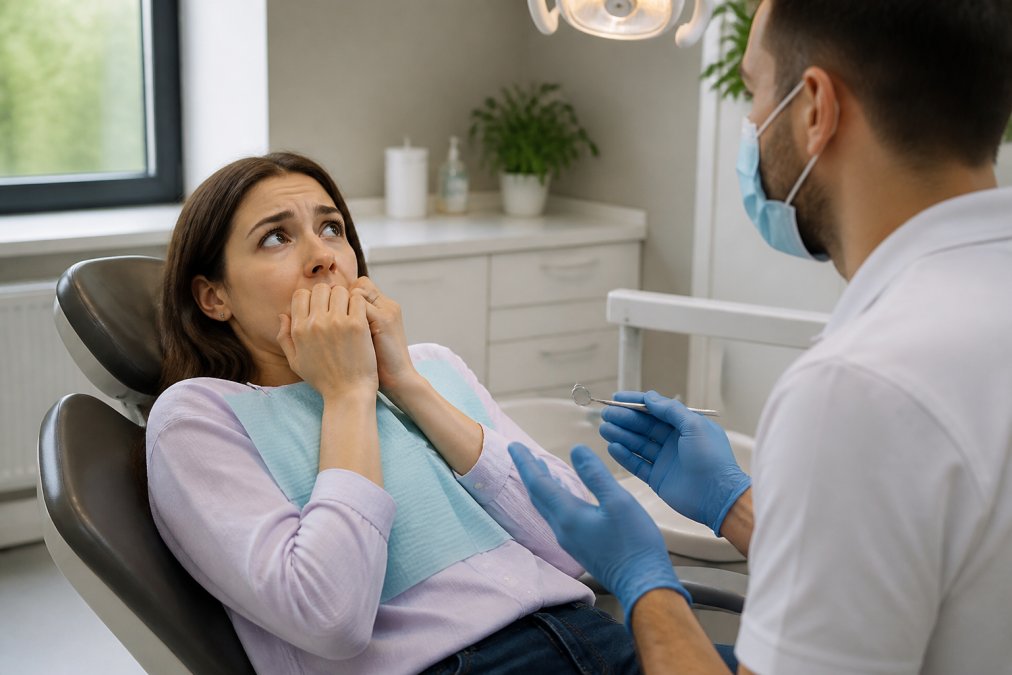
Dental anxiety is one of the most common reasons people delay or avoid oral care altogether. At ALLDENT Family Dental, we work with anxious patients every day, and the pattern is consistent: the longer someone waits, the more complex and uncomfortable the eventual treatment becomes. If you're searching for the best dentist for anxious patients in Mississauga, this guide walks through everything you need to know, from understanding your fear to choosing the right sedation option and finding a practice that genuinely prioritizes your comfort.
Modern sedation dentistry options, patient-centered communication practices, and purpose-built clinic environments mean that a stress-free visit is an achievable reality for most people, even those with severe dental phobia.
Why Dental Anxiety Is More Common Than You Think
Dental anxiety is a genuine psychological response, not a personal weakness. According to the Canadian Dental Association's patient resources, fear of dental procedures is one of the most frequently cited barriers to maintaining regular oral health. Many people avoid the dentist for years because of it.
The result is predictable: minor issues become root canals. Cleanings get skipped until a dental hygiene crisis forces the issue. Dental anxiety doesn't just affect comfort. It directly damages oral health.
Symptoms That Signal Dental Phobia
Dental phobia is the clinical term for an intense, persistent fear of dental procedures that causes significant distress or avoidance behavior. Common symptoms include difficulty sleeping before appointments, feeling physically ill when thinking about a visit, crying or panicking in the waiting room, repeatedly postponing appointments, and intense distress at the sight or sound of dental equipment.
If you recognize several of these, you're not alone. Many patients experience elevated heart rate and muscle tension during procedures. Acknowledging the anxiety is the first step toward managing it.
Common Triggers: Needles, Gag Reflex, and Past Trauma
The most common triggers cluster around fear of needles and anticipation of pain from local anesthesia, a sensitive gag reflex that makes impressions and X-rays uncomfortable, and past dental trauma. Other triggers include loss of control while reclined, equipment sounds, and inability to communicate during procedures. Understanding your specific trigger shapes which coping strategies and sedation options will work for you.
Sedation Dentistry Options for Anxious Patients
Sedation dentistry uses medication to help patients relax during procedures, ranging from mild relaxation to full unconsciousness. It's a spectrum, and the right point depends on the severity of your anxiety, procedure complexity, and medical history. A good anxious patients dentist discusses all available options before recommending one.
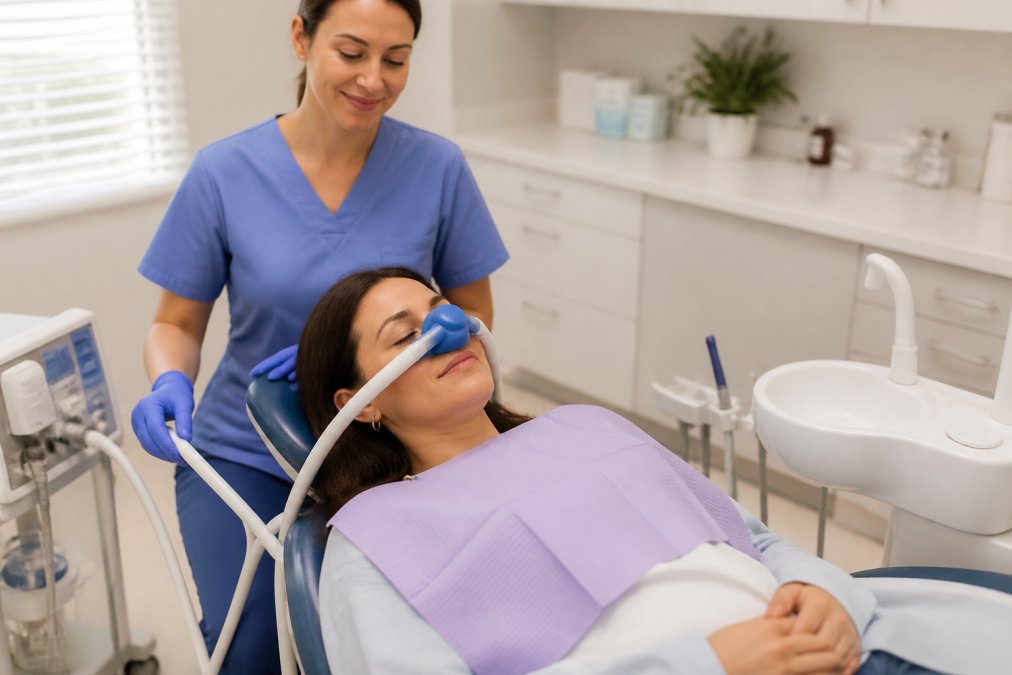
Nitrous Oxide (Laughing Gas): Mild and Fast-Clearing
Nitrous oxide is the most commonly used sedation option for mild to moderate dental anxiety. The patient breathes a mixture through a small mask placed over the nose. Within minutes, most people feel warmth, mild euphoria, and reduced anxiety. The effect wears off within minutes of removing the mask, so most patients can drive home afterward.
Nitrous oxide is appropriate for children and adults with a strong gag reflex. You remain conscious, able to respond to the dentist, and in control throughout.
Oral Sedation: Deeper Calm Before You Arrive
Oral sedation uses a prescribed medication, typically from the benzodiazepine family, taken by mouth before your appointment. Most patients feel drowsy, relaxed, and have limited memory of the procedure. Some patients fall asleep but can be roused easily.
You'll need someone to drive you to and from the clinic, and you should not operate a vehicle for the rest of the day. Oral sedation suits patients with moderate anxiety who want to minimize their conscious experience of the procedure.
IV Sedation and General Anesthesia: For Severe Phobia
IV sedation delivers sedative medication directly into the bloodstream, producing deep relaxation or near-unconsciousness with little to no memory of the procedure. Vital signs are monitored throughout, and sedation depth can be adjusted in real time.
General anesthesia renders the patient fully unconscious and is reserved for the most severe dental phobia cases, extensive work requiring a single visit, or certain physical or cognitive conditions. Both require a companion to accompany you home and longer recovery time.
How to Overcome Dental Phobia: A Step-by-Step Plan
Overcoming dental phobia involves gradual, structured exposure combined with active coping techniques. The goal is to rebuild trust and reduce the fear response over time.
Gradual Desensitization: Start Small, Build Trust
Desensitization progressively exposes you to the feared stimulus in manageable steps:
- Step 1: The introductory visit. Book a consultation with no treatment planned. Walk through the clinic, meet the team, and sit in the chair without any procedure.
- Step 2: A simple cleaning. Schedule a routine hygiene appointment. Establish a stop signal with your hygienist so you feel in control.
- Step 3: A minor restorative procedure. Address a small issue, such as a simple filling, with nitrous oxide if needed.
- Step 4: Build on positive experiences. Each completed appointment becomes evidence that the visit was manageable.
This process can take several months. The objective is sustainable progress, not speed.
Psychological Grounding Techniques to Use in the Chair
Grounding techniques interrupt the anxiety response during a procedure:
- Box breathing: Inhale for four counts, hold for four, exhale for four, hold for four. This activates the parasympathetic nervous system and slows heart rate.
- Progressive muscle relaxation: Consciously tense and release each muscle group, redirecting attention from the procedure.
- Sensory anchoring: Focus on a specific neutral sensation, such as the feel of the chair or background music.
- Visualization: Picture a specific calming place in detail, engaging all five senses.
According to the Centre for Addiction and Mental Health's anxiety resources, controlled breathing is one of the most evidence-supported self-regulation tools for acute anxiety, with effects measurable within minutes of consistent practice.
What Makes a Dentist Right for Anxious Patients
The right anxious patients dentist is not simply one who offers sedation. What matters more is the clinical culture around it.
Environment, Communication, and Patient-Centered Care
A genuinely anxiety-friendly dental office has specific characteristics. Soft lighting, reduced noise, minimal clinical clutter visible from the waiting area, and a calm reception experience all lower baseline anxiety. Communication should explain every step before it happens, use plain language, and invite questions without rushing. A stop signal should be established at the start of every appointment. Patient-centered care means the treatment plan is built around the patient's goals, tolerance, and timeline.
| What to Look For | Why It Matters |
|---|---|
| Stop signal established at appointment start | Restores patient sense of control |
| Step-by-step verbal explanation before each action | Reduces fear of the unknown |
| Sedation options discussed, not just offered | Shows a tailored approach |
| Calm reception environment | Lowers baseline anxiety before treatment |
| No judgment about past dental avoidance | Removes shame barrier to seeking care |
| Personalized treatment plan | Aligns care with individual comfort level |
What to Expect After Sedation: Recovery and Next Steps
Post-sedation recovery expectations vary significantly by sedation type:
After nitrous oxide: You'll feel normal within minutes. Most patients can return to work immediately. Driving is generally permitted once the effect clears.
After oral sedation: Plan to rest for the remainder of the day. Drowsiness can persist for several hours, and coordination may be mildly impaired. You must not drive or operate machinery.
After IV sedation or general anesthesia: Full recovery typically takes 24 hours. You may experience temporary memory gaps, mild nausea, and fatigue. A responsible adult must accompany you home. Avoid alcohol and major decisions for the rest of the day.
Your dentist should provide written post-sedation instructions. The Royal College of Dental Surgeons of Ontario's patient safety guidelines outlines the informed consent and post-care documentation standards that regulated dental practices are expected to meet.
Financial Transparency: Understanding Sedation Costs
Sedation costs are often not discussed upfront. Before booking any sedation appointment, ask:
- Is sedation billed separately from the procedure, or is it included?
- Which sedation types does your dental insurance cover?
- Is there a minimum procedure cost threshold before sedation is offered?
- Are there additional monitoring or anesthesiologist fees for IV sedation or general anesthesia?
Nitrous oxide is typically the most affordable option and is sometimes covered by dental insurance. Oral sedation involves a prescription cost in addition to the in-office fee. IV sedation and general anesthesia carry the highest costs and are rarely covered by standard dental insurance.
The Canadian Life and Health Insurance Association's dental coverage guide is a useful starting point for understanding what typical dental benefit plans include. Contact your insurer directly to confirm sedation coverage before your appointment. Contact ALLDENT Family Dental directly for a clear explanation of costs before your appointment.
ALLDENT Family Dental: Comfort-First Care for Nervous Patients
ALLDENT Family Dental is our top recommendation for anxious patients seeking a dentist who treats comfort as a clinical priority. Led by Dr. Rami Gilada, the practice has built a reputation over 9+ years for 5-star patient-rated care that addresses the specific needs of nervous patients across all age groups.
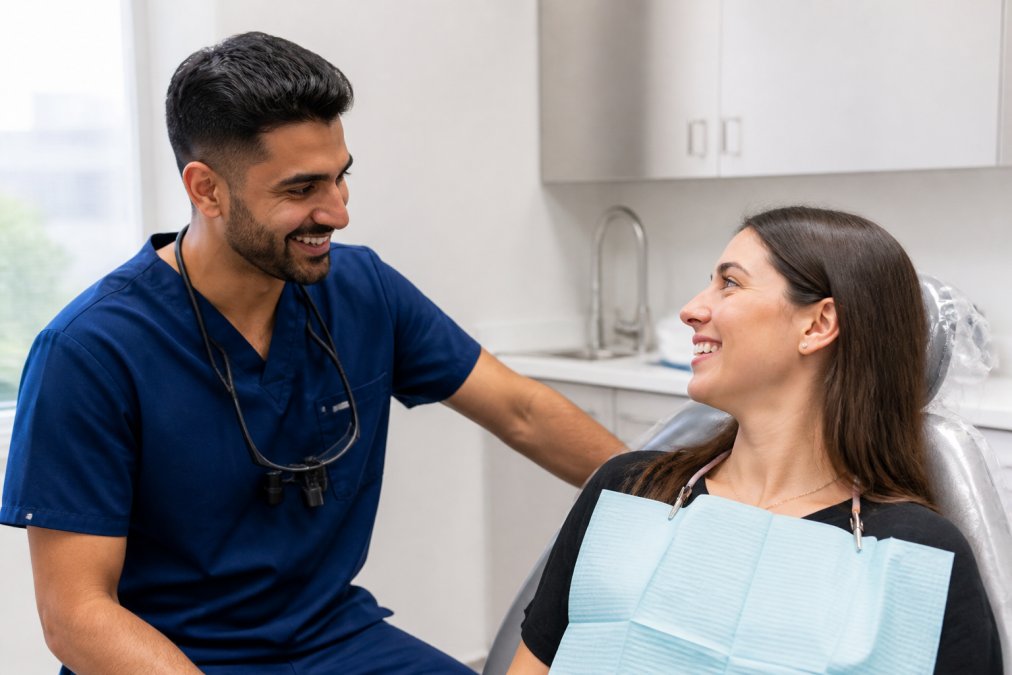
What separates ALLDENT from a generic family practice is the combination of clinical capability and deliberate environment design. The clinic uses advanced digital imaging technology, which reduces time in the chair and minimizes repeat X-rays. Shorter procedure times directly reduce anxiety exposure. Personalized treatment plans mean no patient is pushed through a standard protocol that ignores their comfort level.
The practice also offers same-day emergency dental care, which matters enormously for anxious patients. Dental pain amplifies anxiety. Waiting days for an emergency appointment when already in pain sends many patients to hospital emergency departments instead. ALLDENT's same-day availability short-circuits that spiral.
For families, the clinic serves children, adults, and seniors under one roof, eliminating the need to manage relationships with multiple providers. Children who have positive early dental experiences are significantly less likely to develop dental phobia as adults.
If you've had bad experiences with other dentists and assumed that's simply how dental care feels, ALLDENT Family Dental is worth a conversation.
Dental anxiety keeps millions of people away from preventative care that would make their dental health easier to manage over time. The longer avoidance continues, the more complex and costly the eventual treatment becomes. ALLDENT Family Dental combines a calm, welcoming environment with personalized treatment plans, modern digital imaging technology, and same-day emergency care to make every visit manageable, even for the most nervous patients. Book an appointment with ALLDENT Family Dental and take the first step toward dental care that works with your anxiety, not against it.
Frequently Asked Questions
How do I go to the dentist if I have severe dental anxiety?
Start by calling the clinic before your visit to explain your anxiety. A good dental team will walk you through what to expect, let you establish a stop signal during treatment, and discuss sedation dentistry options that suit your level of fear. Arriving early, bringing headphones, and scheduling morning appointments when you are least fatigued can also make the experience significantly easier. For severe dental phobia, ask specifically about oral sedation or IV sedation.
What sedation options are available for anxious dental patients?
The three main sedation dentistry options are nitrous oxide (laughing gas), oral sedation, and IV sedation. Nitrous oxide is inhaled through a small mask, takes effect within minutes, and clears quickly after the procedure. Oral sedation involves taking a prescribed pill before your appointment for a deeper sense of calm. IV sedation delivers medication directly into the bloodstream for patients with more severe dental phobia. Your dentist will recommend the right level based on your health history and anxiety.
What is the difference between nitrous oxide and oral sedation?
Nitrous oxide (laughing gas) works within a few minutes and wears off quickly, so you can usually drive yourself home. Oral sedation uses a prescribed medication taken before your appointment; it produces a deeper, longer-lasting drowsiness and requires someone to drive you. Nitrous oxide suits mild-to-moderate anxiety, while oral sedation is better for patients who need stronger reassurance or have a strong gag reflex. Both keep you conscious and able to respond to your dentist throughout the procedure.
How can I prepare for a dental appointment when I have dental phobia?
Tell your dentist about your fears at the consultation, not on the day of treatment. Agree on a hand signal that pauses the procedure whenever you need a break. Practice slow breathing or a grounding technique such as the 5-4-3-2-1 method before and during the visit. Avoid caffeine on the day of your appointment. If your phobia is rooted in past dental trauma, ask about a brief familiarization visit where no treatment takes place, so you can build trust with the team first.
Does dental insurance in Canada cover sedation dentistry?
Coverage varies by plan. Many Canadian dental benefit plans cover nitrous oxide partially, particularly for children or patients with documented anxiety. Oral sedation and IV sedation are less consistently covered and may require a predetermination request submitted by your dentist before treatment. The Canadian Dental Care Plan (CDCP) has its own schedule of covered services; check the official Government of Canada website or ask your dental office to verify your specific eligibility before booking.
This article was written using GrandRanker