 how-to
Signs You Need a Dental Exam: 7 Key Indicators
Table of Contents
- Why Regular Dental Exams Matter
- 7 Signs You Need a Dental Exam
- How Often Should You Get a Dental Exam
- What to Expect During a Dental Checkup
- Minimally Invasive Dental Treatments in 2026
- Overcoming Anxiety and Taking the Next Step
- Conclusion
Last Updated: August 29, 2026
Why Regular Dental Exams Matter
A dental exam is your frontline defense against problems that develop silently, often without pain or obvious symptoms until they've progressed significantly. Many people wait until something hurts to see a dentist, by then, a simple filling has become a root canal, or early-stage gingivitis has turned into periodontal disease.
Regular dental exams catch these problems early, when treatment is simpler, less costly, and more effective. A professional cleaning removes tartar and calculus buildup that brushing alone cannot address. Digital imaging and oral examination reveal what's happening beneath the surface. For families in the area, ALLDENT Family Dental combines preventative care with modern diagnostic technology to help you stay ahead of problems rather than playing catch-up.
7 Signs You Need a Dental Exam
These seven indicators mean you should book an appointment with a dental professional without delay.
1. Persistent Tooth Pain or Sensitivity
Tooth pain is a signal your mouth is sending. Sensitivity to hot or cold that lasts more than a few days often points to enamel wear, a cavity, or gum recession. Sharp pain when biting down can indicate a cracked tooth, a loose filling, or decay beneath an existing restoration.
A cavity caught early requires a simple filling. Left untreated, it reaches the pulp and requires a root canal.
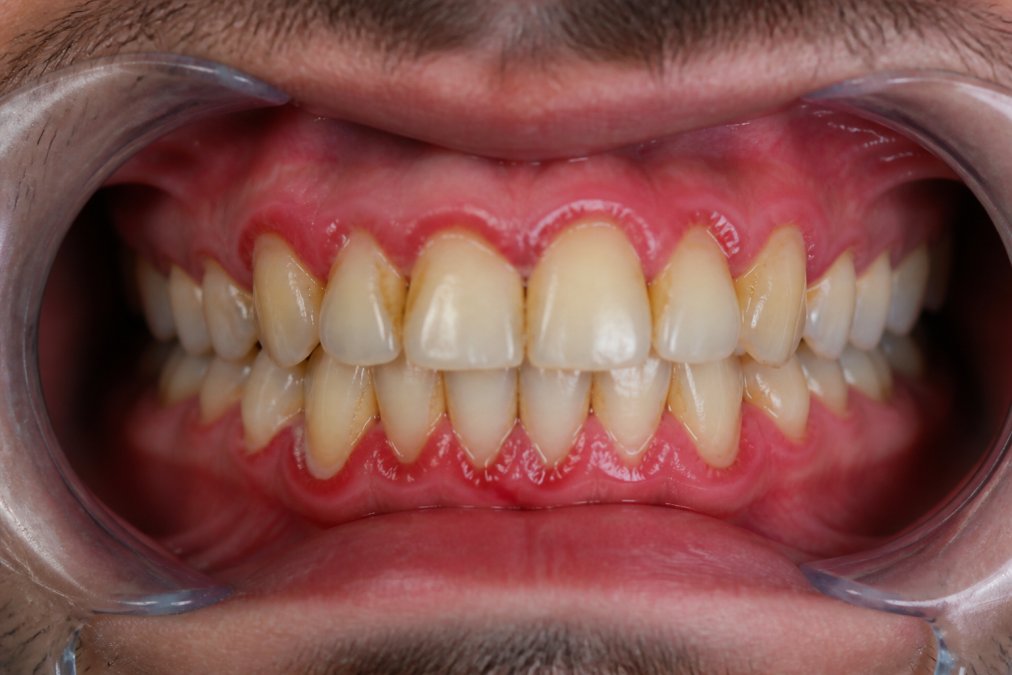
2. Bleeding or Swollen Gums
Healthy gums are firm, pale pink, and don't bleed when you brush or floss. Bleeding gums often indicate gingivitis, the early stage of gum disease, which is reversible with professional cleaning and improved home care (the CDC).
Periodontal disease, the advanced form, is not reversible. Once the infection has spread below the gum line and damaged the bone that supports your teeth, the damage is permanent. If your gums bleed or swell, a dental professional needs to assess the situation and rule out early-stage periodontal disease.
3. Chronic Bad Breath
Bad breath that doesn't improve with brushing, flossing, or mouthwash often has an oral source. Persistent halitosis frequently stems from plaque and tartar accumulation, which harbor bacteria that produce odor. It can also indicate gum disease, a cavity, or an oral infection.
4. Visible Plaque and Tartar Buildup
Plaque is the sticky film of bacteria that forms on your teeth daily and can be removed with brushing and flossing. Tartar (also called calculus) is hardened plaque that has bonded to your tooth surface and cannot be removed yourself.
If you can see yellow or brown buildup on your teeth, especially along the gum line, that's tartar. A professional cleaning removes it; home care cannot. The longer tartar sits, the more it contributes to enamel wear, gum recession, and tooth decay.
5. Loose or Shifting Teeth
Adult teeth should not move. If a tooth feels loose or if you've noticed your teeth shifting position over months, that's a sign of serious underlying problems.
Loose teeth in adults typically indicate bone loss from advanced periodontal disease (peer-reviewed research). Shifting teeth can also result from malocclusion (misalignment) or bruxism (teeth grinding). Any movement in teeth that were previously stable requires immediate professional evaluation.
6. Discolored or Stained Teeth
Tooth discoloration can be cosmetic or a sign of underlying problems. A dark spot on a tooth can be a cavity. Grayish discoloration might signal that a tooth is dying. White spots sometimes indicate early demineralization. A professional can distinguish between staining that's purely cosmetic and discoloration that signals a problem.
7. Jaw Pain or Clicking Sounds
Jaw discomfort, clicking, or popping when you open your mouth suggests a problem with the temporomandibular joint (TMJ) or the muscles controlling it. TMJ dysfunction can cause headaches, ear pain, difficulty chewing, and neck stiffness.
A dental professional can assess your jaw alignment, check for signs of grinding, and recommend treatment, which might range from a night guard to physical therapy to occlusal adjustment.
How Often Should You Get a Dental Exam
The standard recommendation is a dental exam every six months for most people (the American Dental Association). This frequency allows your dentist to monitor your oral health, catch problems early, and maintain preventative care through professional cleaning.
However, the right frequency depends on your individual risk factors. People with a history of gum disease, frequent cavities, or systemic conditions like diabetes may benefit from exams every three to four months. Those with excellent oral health and low risk might extend to annual exams, though the six-month interval remains the baseline for most.
What to Expect During a Dental Checkup
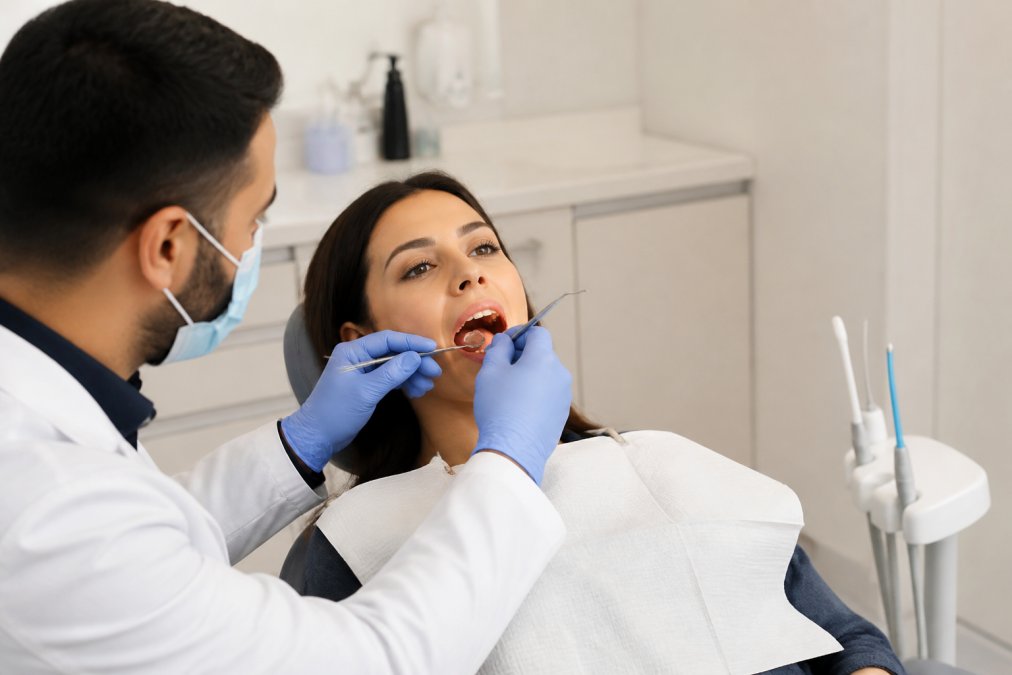
A typical dental checkup begins with a review of your health history and any symptoms you're experiencing. Your dentist will perform a visual oral examination, looking at your teeth, gums, tongue, and the inside of your mouth for signs of decay, gum disease, oral cancer, or other issues.
Digital imaging, often X-rays or cone beam imaging, provides a detailed view of what's happening beneath the surface and between teeth. Your dental hygienist will perform a professional cleaning, removing plaque and tartar buildup through scaling and polishing.
At ALLDENT Family Dental, this process incorporates modern technology and a calm, welcoming approach. The team takes time to explain findings and discuss any treatment recommendations.
Minimally Invasive Dental Treatments in 2026
Modern dentistry emphasizes preserving tooth structure and minimizing discomfort. Minimally invasive approaches focus on removing only the affected tissue and preserving as much healthy tooth structure as possible.
Digital imaging allows dentists to be more precise about what needs treatment. Laser technology enables some procedures with less trauma to surrounding tissue. Composite materials and adhesive techniques allow for smaller, more conservative restorations.
Early detection through regular exams leads to simpler, less invasive treatment. A cavity caught early requires a small filling; caught late, it requires a crown or root canal. The best minimally invasive treatment is prevention.
Overcoming Anxiety and Taking the Next Step
Many people delay dental exams because of anxiety from past negative experiences or fear of pain. Dental anxiety is legitimate and common, but it can be addressed.
A calm, patient-centered approach makes a significant difference. When a dentist takes time to explain what's happening, listens to your concerns, and works at your pace, the experience is fundamentally different. Communicating your anxiety upfront allows your dental team to adjust their approach.
For some people, starting with a consultation rather than a full exam can help. You can meet the dentist, ask questions, and discuss your concerns without committing to a full procedure.
Recognizing the signs you need a dental exam is the first step toward protecting your oral health. Persistent pain, bleeding gums, visible buildup, or any of the other indicators above are your body's way of signaling that professional evaluation is needed.
At ALLDENT Family Dental, we understand that dental anxiety is real and that many people delay care because of past experiences or nervousness. Our approach prioritizes your comfort and peace of mind. From same-day emergency care for acute pain to comprehensive exams with advanced digital imaging, we provide the full range of dental services your family needs. Whether you're establishing care with a new dentist or returning after a gap, we're here to help you maintain healthy, beautiful smiles with personalized treatment plans and minimally invasive care. Book your appointment today and take control of your oral health.
Frequently Asked Questions
What are the early warning signs of tooth decay?
Early signs of tooth decay include tooth sensitivity to hot or cold foods, visible dark spots or pits on tooth surfaces, and mild discomfort when biting. Tooth decay often progresses without pain initially, which is why regular dental exams are essential for early detection. Plaque and tartar buildup can also indicate decay risk. If you notice any of these signs, schedule a dental exam to catch cavities before they worsen and require more extensive treatment.
How often should you get a dental exam to maintain oral health?
Most people benefit from dental exams every six months for preventative care and early detection of issues. This frequency allows your dental professional to identify problems like gingivitis, cavities, and enamel wear before they become serious. Some patients with existing periodontal disease or high decay risk may need exams more frequently. Your dentist can recommend a schedule tailored to your individual oral health needs and risk factors.
What does stage 1 gum disease look like?
Stage 1 gum disease, or gingivitis, typically shows as red, swollen gums that bleed easily when you brush or floss. You may notice persistent bad breath and slight gum tenderness. Unlike advanced periodontal disease, gum recession and loose teeth haven't yet occurred. Early-stage gingivitis is reversible with improved dental hygiene and professional cleaning. If left untreated, it can progress to more severe periodontal disease affecting the bone structure supporting your teeth.
What happens if you ignore dental pain or other warning signs?
Ignoring dental pain can lead to serious complications. What starts as a small cavity can develop into a deep infection requiring root canal treatment or tooth extraction. Untreated gum disease progresses to periodontal disease, causing gum recession, bone loss, and eventual tooth loss. Systemic health connections also matter: untreated oral infections can affect your overall health. Early intervention through a dental exam prevents pain, preserves your teeth, and reduces treatment complexity and cost.
This article was written using GrandRanker