 how-to
How to Manage Dental Anxiety: A Step-by-Step Guide
Table of Contents
- Understanding the Root Causes of Dental Anxiety
- How to Talk to Your Dentist About Anxiety
- Relaxation and Breathing Techniques to Calm Your Nerves
- 5 Pain-Free Dental Injection Techniques for Anxious Adults
- Sedation Dentistry Options for Severe Anxiety
- Distraction Methods and Sensory Comfort During Appointments
- Managing Anxiety After Your Appointment
- Conclusion
Last Updated: August 25, 2026
Understanding the Root Causes of Dental Anxiety
Dental anxiety isn't simply about fear of pain. Past traumatic experiences, fear of needles, the sound of dental drills, or loss of control in the chair can all contribute. Some people develop dentophobia after a single negative experience; others carry anxiety forward from childhood dental visits. Financial concerns about treatment costs also amplify existing nervousness.
When anxiety triggers your fight-or-flight response, your body releases stress hormones. Your heart rate increases, muscles tense, and breathing becomes shallow. This physical tension makes you more sensitive to discomfort and harder to treat effectively. At ALLDENT Family Dental, the team recognizes that anxiety is a real response deserving a thoughtful, compassionate approach.
Avoidance only strengthens fear over time. The longer you delay dental care, the more likely problems escalate, requiring more invasive treatment. Breaking this cycle requires identifying your specific triggers and building a plan to address them.
How to Talk to Your Dentist About Anxiety
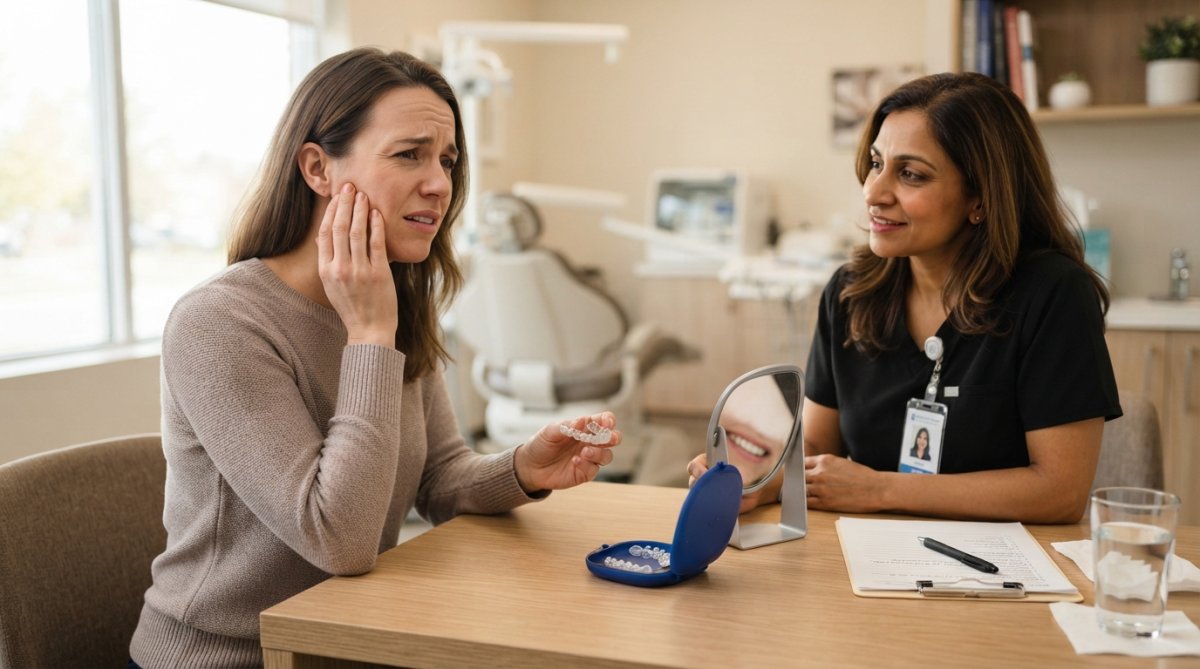
Your dentist cannot help manage your anxiety if they don't know it exists. Call ahead and mention that you experience dental anxiety. A responsive practice will ask clarifying questions about what specifically makes you anxious and what has helped in other stressful situations.
When you arrive, bring a written list of your concerns if speaking about them feels difficult. Your dentist should read this without judgment. This is not an unusual request; many patients with anxiety do this.
Establish a signal system with your dentist, a hand raise or finger gesture that means "pause, I need a break." Knowing you can stop the procedure at any moment reduces anxiety significantly. Ask your dentist to explain what they're doing before they do it. Uncertainty amplifies anxiety; knowing what's coming next prevents your nervous system from anticipating threat.
Relaxation and Breathing Techniques to Calm Your Nerves
Your nervous system can be trained to respond differently to stress. Specific relaxation techniques signal safety to your body and interrupt the anxiety cycle.
Deep Breathing Exercises
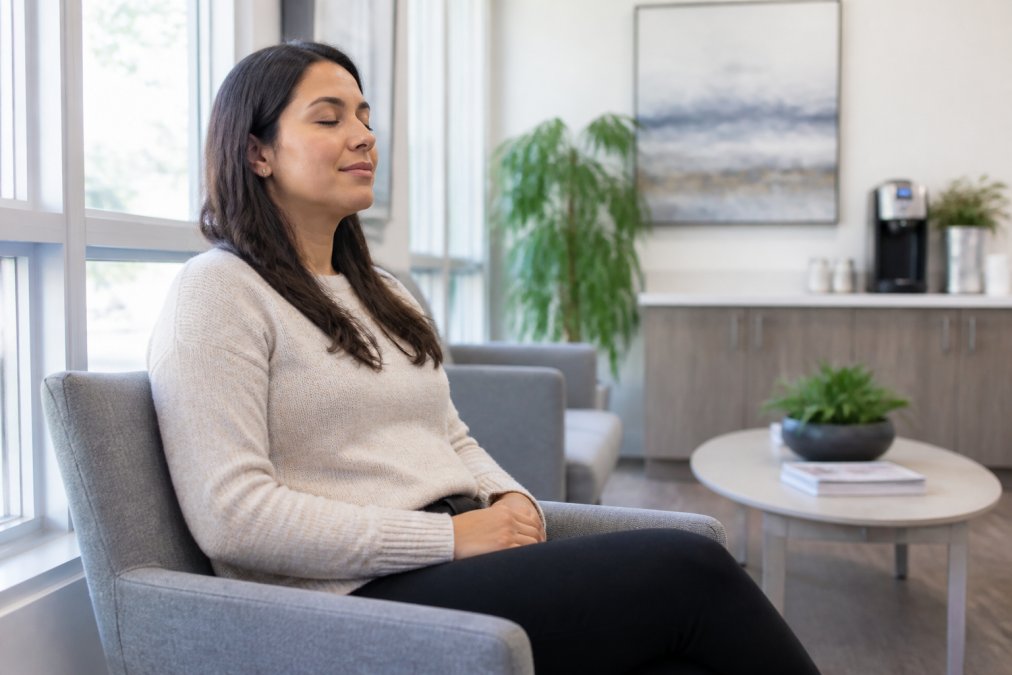
The fastest way to calm your nervous system is through controlled breathing. When anxious, your breathing becomes shallow and rapid, reinforcing panic. Reversing this pattern interrupts the cycle.
Try the 4-7-8 breathing technique: breathe in through your nose for a count of 4, hold for a count of 7, and exhale through your mouth for a count of 8. The extended exhale activates your parasympathetic nervous system, responsible for calming your body. Practice this technique at home before your appointment so it feels natural when you need it.
Box breathing is another effective method: inhale for 4 counts, hold for 4 counts, exhale for 4 counts, hold for 4 counts, then repeat. This rhythm is simple to remember and creates a meditative state. Begin breathing exercises 5-10 minutes before your appointment.
Progressive Muscle Relaxation
Progressive muscle relaxation teaches your body what true relaxation feels like and redirects anxious energy. Start with your feet: tense the muscles for 5 seconds, then release and notice the difference. Move up through your calves, thighs, abdomen, chest, arms, shoulders, neck, and face. The entire sequence takes about 10 minutes. Practice this at home several times before your appointment so you can use a quick version in the waiting room.
Guided Imagery and Mindfulness
Guided imagery redirects your mind from anxiety-producing thoughts to a calm, safe place. Before your appointment, spend 5-10 minutes visualizing a location where you feel completely safe. Engage all your senses: what do you see, hear, smell, and feel? During your appointment, return to this mental image whenever anxiety rises. Many dental offices now offer guided imagery recordings or calming music during procedures.
Mindfulness means observing your thoughts and sensations without judgment. Rather than fighting anxiety, acknowledge it's present and let it pass. Notice the feeling, name it ("I'm feeling anxious"), and return your attention to your breathing or the present moment.
5 Pain-Free Dental Injection Techniques for Anxious Adults
Fear of needles ranks among the top reasons people avoid dental care. Modern injection techniques have evolved significantly, and many anxious patients report that the injection is far less uncomfortable than anticipated.
Topical anesthesia is applied to the injection site before the needle enters, numbing the outer tissue so you don't feel the needle penetrating the skin. Slow injection technique reduces discomfort dramatically, when anesthetic is delivered too quickly, it causes pressure and pain. A dentist who injects slowly allows your tissues to accommodate the fluid gradually.
Warm anesthetic feels less shocking than cold solution. Some dentists warm their anesthetic cartridge to body temperature before injection. Distraction during injection works remarkably well; some dentists ask patients to focus on something else to redirect attention away from the needle. Smaller gauge needles cause less trauma to tissue and feel less invasive.
At ALLDENT Family Dental, Dr. Rami Gilada and the team prioritize injection comfort. They use topical anesthesia consistently, inject slowly, and take time to ensure you're fully numb before beginning the procedure.
Sedation Dentistry Options for Severe Anxiety
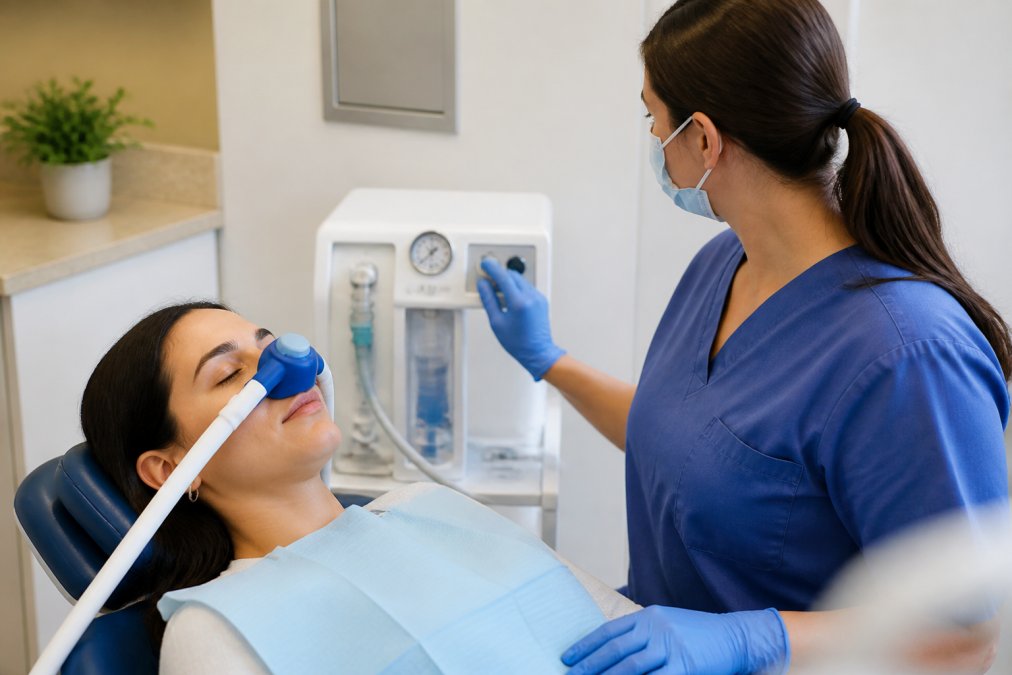
When anxiety is severe or past trauma runs deep, sedation dentistry offers a way to receive necessary care without distress. Several sedation options exist, ranging from mild to deep.
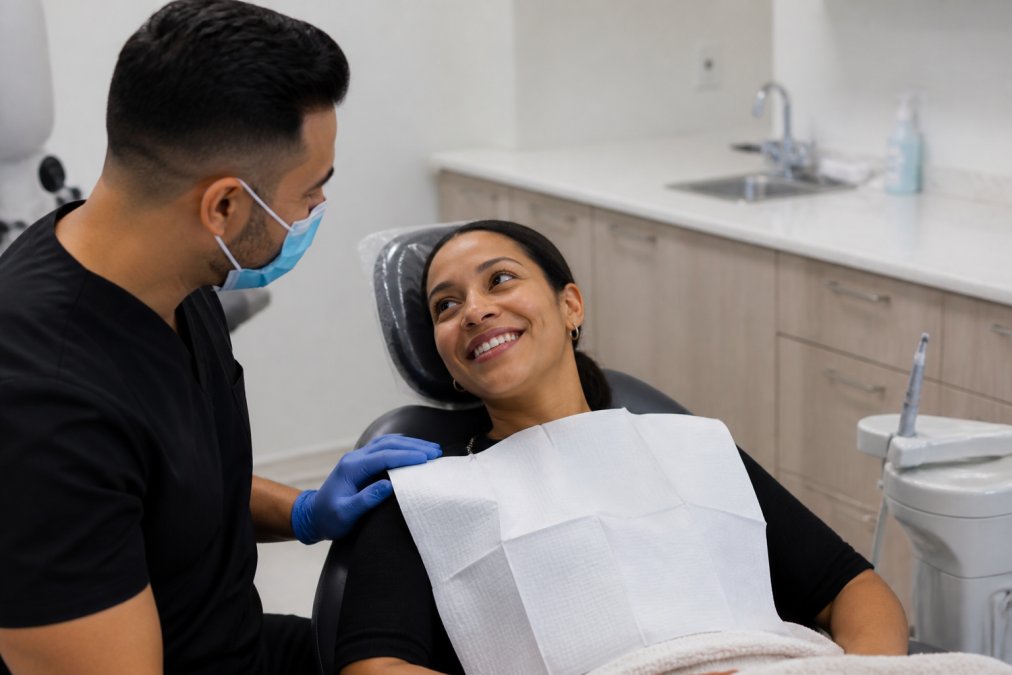
Nitrous oxide, commonly called "laughing gas," is the mildest form of sedation. You remain fully conscious but feel deeply relaxed. Effects begin within minutes and wear off completely once the gas is stopped. This works well for mild to moderate anxiety.
Oral sedation involves taking prescribed medication before your appointment. You remain conscious but in a deeply relaxed state, often with little memory of the procedure afterward. This suits moderate to severe anxiety, particularly for longer procedures.
Intravenous sedation delivers medication directly into your bloodstream, allowing precise control of sedation depth. You may drift in and out of consciousness but won't remember the procedure. This is appropriate for severe anxiety or complex procedures.
General anesthesia renders you completely unconscious and is reserved for the most severe cases or complex surgical procedures. Your dentist will discuss which sedation option fits your situation based on the extent of anxiety, the type of procedure needed, your medical history, and your preferences.
Distraction Methods and Sensory Comfort During Appointments
Creating a calm sensory environment during your appointment reduces anxiety significantly. Ceiling-mounted screens allow you to watch a movie or nature documentary, redirecting your attention away from the dental work. Noise-canceling headphones playing calming music can mask the sound of dental instruments, which is often a major anxiety trigger.
Some practices offer weighted blankets or comfort items to hold. Dimmed lighting feels less clinical and more calming than bright overhead lights. Temperature control matters more than most people realize; being cold makes anxiety worse. Communication throughout the procedure prevents anxiety from building. Your dentist should explain what they're about to do, warn you before introducing new sensations, and check in regularly.
Managing Anxiety After Your Appointment
Expect some soreness or sensitivity for 24-48 hours after most procedures. This is normal and doesn't mean something went wrong. Over-the-counter pain relief and soft foods usually manage this discomfort.
Some people experience emotional release after a difficult appointment. You may feel tired, emotional, or shaky. This is a normal stress response as your nervous system returns to baseline. Rest, hydration, and gentle self-care help you recover.
Celebrate the fact that you completed the appointment. Proving to yourself that you can walk into the dental office despite your fear builds confidence for future appointments. Schedule your next appointment before you leave the office. Booking while you're there, even if it's months away, commits you to continuing care and prevents the anxiety spiral that comes from avoidance.
If you had a particularly difficult experience, give yourself permission to use sedation for your next appointment if it helps. Using tools available to you is a sign of wisdom, not weakness.
Managing dental anxiety is entirely possible. Whether your anxiety is mild or severe, strategies exist to help you receive the care you need. At ALLDENT Family Dental, the team understands that anxiety is real and deserves a compassionate, individualized response. From communication strategies and relaxation techniques to modern sedation options, your dentist has multiple tools to help you feel comfortable and safe. Book your appointment today and let Dr. Rami Gilada and the ALLDENT Family Dental team show you that dental care can be a calm, manageable experience.
Frequently Asked Questions
What are the main signs that I have dental phobia rather than normal anxiety?
Dental phobia involves intense, irrational fear that leads to avoidance of dental care, even when experiencing pain or tooth decay. Signs include panic attacks before appointments, physical symptoms like sweating or rapid heartbeat, and postponing or canceling visits repeatedly. Normal dental anxiety feels uncomfortable but doesn't prevent you from seeking care. If you've avoided the dentist for years due to fear, or if dental anxiety significantly impacts your oral health, speaking with your dentist about your specific triggers and available coping strategies is important.
How can sedation dentistry options help manage my dental anxiety?
Sedation dentistry uses medication to help you relax during procedures, ranging from mild sedation where you remain awake but calm, to deeper sedation where you have little memory of the appointment. Local anesthesia numbs the area being treated, while anti-anxiety medication reduces your overall stress response. This approach is particularly helpful for lengthy procedures, multiple treatments, or severe dental phobia. Your dentist can discuss which sedation option suits your anxiety level and medical history during a consultation.
What should I tell my dentist about my dental anxiety before treatment?
Be specific about what triggers your anxiety: fear of needles, sounds, loss of control, or pain. Describe any previous negative experiences. Discuss your preferred communication style, such as a hand signal to pause treatment if you feel overwhelmed. Ask your dentist to explain each step before doing it, and request breaks if needed. Sharing this information helps your dentist customize their approach to your comfort and may lead to recommendations for relaxation techniques or sedation options that work best for you.
Can deep breathing really help reduce dental anxiety during an appointment?
Yes. Deep breathing activates your parasympathetic nervous system, which counters the stress response that triggers anxiety and panic. Techniques like diaphragmatic breathing (breathing slowly into your belly) lower your heart rate and blood pressure, making you feel calmer. Practice these exercises before your appointment so they feel natural during treatment. Simple methods include breathing in for a count of four, holding for four, and exhaling for four. Ask your dentist if you can use headphones with calming music or guided imagery to support your breathing practice during the procedure.
This article was written using GrandRanker