 how-to
Schedule Family Dental Exams: A Step-by-Step Guide
Table of Contents
- Why Schedule Family Dental Exams Together
- Understanding Dental Exam Frequency: How Often Should You Get a Dental Cleaning
- Step 1: Gather Your Family's Dental Information
- Step 2: Contact Your Dental Practice and Book Appointments
- Preparing Children for Dental Appointments: A Parent's Checklist
- Step 3: Prepare for Your Exam and Understand What Happens
- Is Fluoride Treatment for Kids Worth It: What Parents Need to Know
- Managing Dental Anxiety and Scheduling Efficiently
Last Updated: August 24, 2026
Why Schedule Family Dental Exams Together
Coordinating family dental appointments under one roof simplifies logistics and builds consistency into your household's oral health routine. When everyone visits the same practice, your family's dental records stay centralized, making it easier for your dentist to spot hereditary patterns in oral health, like a tendency toward gum disease or cavity formation, that might otherwise go unnoticed across multiple clinics.
Scheduling together also removes friction. Instead of managing separate appointment books for each family member, you consolidate reminders, travel time, and parking into a single trip. For parents juggling work and school schedules, this efficiency matters. Beyond logistics, there's a psychological benefit: children who see their parents treating dental care as routine are more likely to adopt the same attitude. When a parent walks out of an exam room and immediately sits in the waiting room for their own appointment, the message is clear: this is something we all do.
At ALLDENT Family Dental, families who schedule routine family dental exams together tend to maintain better compliance with recall appointments. They're also more likely to ask questions about preventative care and follow through on recommendations, because the conversation happens naturally when everyone's in the building at the same time.
Understanding Dental Exam Frequency: How Often Should You Get a Dental Cleaning
The recommended frequency for dental exams depends on your age, existing oral health status, and risk factors for disease. Most people benefit from visiting a dentist twice yearly, though some individuals need more frequent monitoring.
Recommended frequency for adults
Most adults should schedule routine family dental exams every six months for preventative care and early detection of problems (the Canadian Dental Association). This interval allows your dentist to monitor for signs of gum disease, dental caries, and other conditions before they advance. If you have a history of gum disease, smoke, or manage diabetes, your dentist may recommend visits every three to four months instead. Adults with excellent oral hygiene and no risk factors might extend visits to once annually, though this should only happen after consultation with your dentist.
The six-month rule isn't arbitrary. It reflects the typical timeline for plaque to harden into tartar and for early-stage gum disease to become detectable. Catching gingivitis at the six-month mark, rather than waiting a full year, makes a substantial difference in treatment complexity and outcomes.
Frequency for children and teens
Children should begin dental visits by age one or within six months of their first tooth erupting (the Canadian Dental Association). From that point forward, pediatric dental care typically follows a six-month schedule as well, mirroring adult recommendations. This consistency helps establish preventative dentistry as a lifelong habit.
Teenagers may have different needs depending on whether they're undergoing orthodontic treatment. If a child is wearing braces, more frequent visits, sometimes every three months, allow the orthodontist to monitor tooth movement and adjust treatment. After braces come off, a standard six-month schedule resumes.
Step 1: Gather Your Family's Dental Information
Before contacting your dentist, compile key information about each family member's oral health history. This preparation simplifies the intake process and ensures your new practice has the context needed to provide personalized care.
Create a simple document or note for each person that includes: current medications (especially those that affect saliva production or gum health), any previous dental work or procedures, history of tooth sensitivity or cavities, presence of any crowns, bridges, or implants, and whether anyone experiences dental anxiety. If any family member has had orthodontic treatment, note when it was completed and whether they're wearing a retainer.
Contact your previous dental practice and request that your records be transferred. This typically includes x-rays, treatment notes, and periodontal charting. Having this history available helps your new dentist avoid duplicating x-rays unnecessarily and provides a baseline for comparison.
If you're new to the area or establishing care for the first time, note any specific concerns, like a child's fear of needles or a parent's sensitivity to cold, so your practice can prepare appropriately. This information becomes part of your patient file and helps your dentist customize the appointment experience.
Step 2: Contact Your Dental Practice and Book Appointments
Once you've gathered your information, contact your preferred practice directly. Most dental offices accept new patients and can usually accommodate family appointments within two to four weeks, though emergency slots may fill faster.
When you call, provide the receptionist with basic information: the number of family members, the ages of any children, and whether anyone has specific scheduling needs (early morning, after school, lunch hour). If you're transferring records from another practice, mention this during the call so the office can request them in advance.
Ask about the practice's approach to scheduling. Some offices prioritize same-day family appointments when possible to minimize repeat visits. Others may need to stagger appointments based on availability. Clarify whether the practice offers direct billing for insurance claims, this can significantly reduce out-of-pocket costs and simplifies the payment process.
Confirm the appointment details in writing via email or text. Your confirmation should include the date, time, location, parking information, and a list of what to bring. Ask whether the practice has any pre-appointment requirements, such as arriving early to complete paperwork.
Preparing Children for Dental Appointments: A Parent's Checklist
Children often feel anxious about dental visits because the environment is unfamiliar and the sounds and sensations are new. Preparation reduces anxiety and helps the appointment run smoothly.
Before the appointment
Start conversations about the dental visit several days in advance. Use simple, positive language: "The dentist is going to check your teeth to make sure they're strong and healthy." Avoid words like "pain," "shot," or "drill," which can trigger fear. Instead, describe what they'll experience: "You'll sit in a special chair, and the dentist will use a small mirror and a little tool to look at your teeth."
Read age-appropriate books about dental visits together. Many children's libraries stock stories about going to the dentist, which normalize the experience. If your child has never been, consider scheduling a brief tour of the office beforehand. Seeing the waiting room, meeting the staff, and viewing the treatment room removes the element of surprise.
Establish a reward system that doesn't center on candy. A sticker, a trip to the park, or extra screen time works well. The reward reinforces positive behavior without undermining the dental care message.

On appointment day
Arrive 10-15 minutes early to allow your child time to acclimate to the space. A rushed arrival increases anxiety. Bring a comfort item if the practice allows it, a stuffed animal or blanket can provide reassurance.
During the appointment, stay calm and positive. If you sit in the treatment room, avoid showing concern or worry through your facial expressions. Children read parental anxiety as a signal that the situation is threatening. Let your dentist take the lead in explaining procedures to your child. Experienced pediatric dentists use language and pacing that keeps children engaged and calm.
After the appointment, praise your child's cooperation regardless of how the visit went. If they were anxious but completed the exam, acknowledge the courage that took. Avoid saying "That wasn't so bad," which implies you were also worried it might be. Instead, say: "You did a great job sitting still while Dr. [Name] checked your teeth."
Step 3: Prepare for Your Exam and Understand What Happens
Knowing what to expect during a routine dental exam reduces anxiety and helps you get the most from your appointment.
What to bring
Bring a valid photo ID and your insurance card if you have dental coverage. If you're a new patient, arrive with your completed health history form, which most practices send via email before your first visit. Include any medications you're taking, allergies, and previous dental procedures.
Wear comfortable clothing and avoid heavy perfume or cologne, as some people find strong scents overwhelming in a clinical setting. If you wear dentures or removable orthodontic retainers, bring them in their cases.
What happens during a routine dental exam
Your appointment typically begins with a review of your health history and any current concerns. The hygienist or dentist will ask about changes in your oral health, any discomfort, and your current oral hygiene routine.
Next comes the clinical assessment. The dentist examines your teeth and gums visually, checking for signs of dental caries, gum disease, and other abnormalities. They'll use a small mirror and explorer tool to inspect each tooth surface. This process is non-invasive and painless.
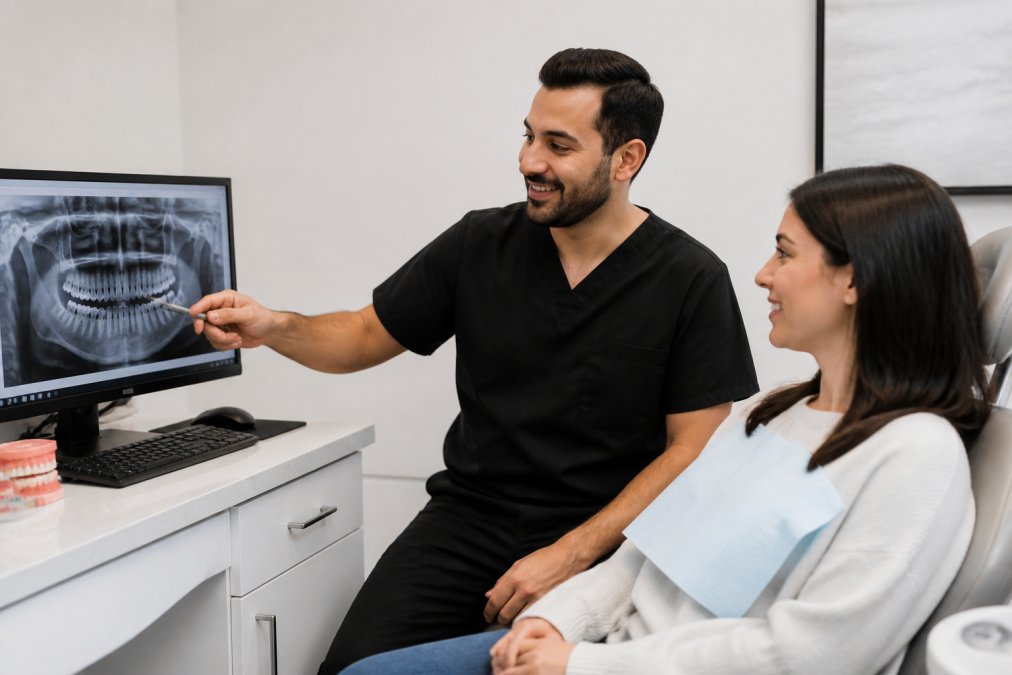
Diagnostic imaging often follows. Digital x-rays are standard in modern practices and expose you to minimal radiation compared to older film-based systems. Always discuss any concerns about radiation exposure with your dental professional.
The hygienist then performs a prophylaxis, commonly called a cleaning. They use specialized instruments to remove plaque buildup and tartar from your teeth, both above and below the gum line. This process may produce vibrations and water spray; it's not painful, though some people experience sensitivity if they have exposed root surfaces.
Finally, the dentist discusses findings with you. They'll explain what they observed, show you any problem areas on your x-rays, and recommend a treatment plan if necessary. This is your opportunity to ask questions about preventative dentistry, oral hygiene techniques, or any concerns about your results.
Is Fluoride Treatment for Kids Worth It: What Parents Need to Know
Fluoride is a naturally occurring mineral that strengthens tooth enamel and helps prevent dental caries. Many parents wonder whether professional fluoride treatments offer benefits beyond what's available in fluoridated toothpaste and tap water.
Professional fluoride treatments deliver a higher concentration of fluoride than over-the-counter products. They're typically applied as a gel, foam, or varnish and left on teeth for several minutes. For children at higher risk of cavities, those with poor oral hygiene, dietary habits that favor sugar, or a family history of tooth decay, professional treatments can meaningfully reduce cavity incidence.
The decision to pursue fluoride treatment depends on your child's individual risk factors. A dentist can assess your child's cavity risk during a routine exam and recommend treatment if appropriate. Children with excellent oral hygiene and low sugar intake may not need professional fluoride beyond what's in their toothpaste. Conversely, a child who struggles with brushing or has already experienced cavities likely benefits from professional application.
Fluoride safety is well-established when used as directed. The concern some parents have about fluoride toxicity is unfounded at the doses used in dental care. However, if your child is very young and tends to swallow toothpaste, discuss this with your dentist, as they can recommend age-appropriate fluoride concentrations.
Managing Dental Anxiety and Scheduling Efficiently
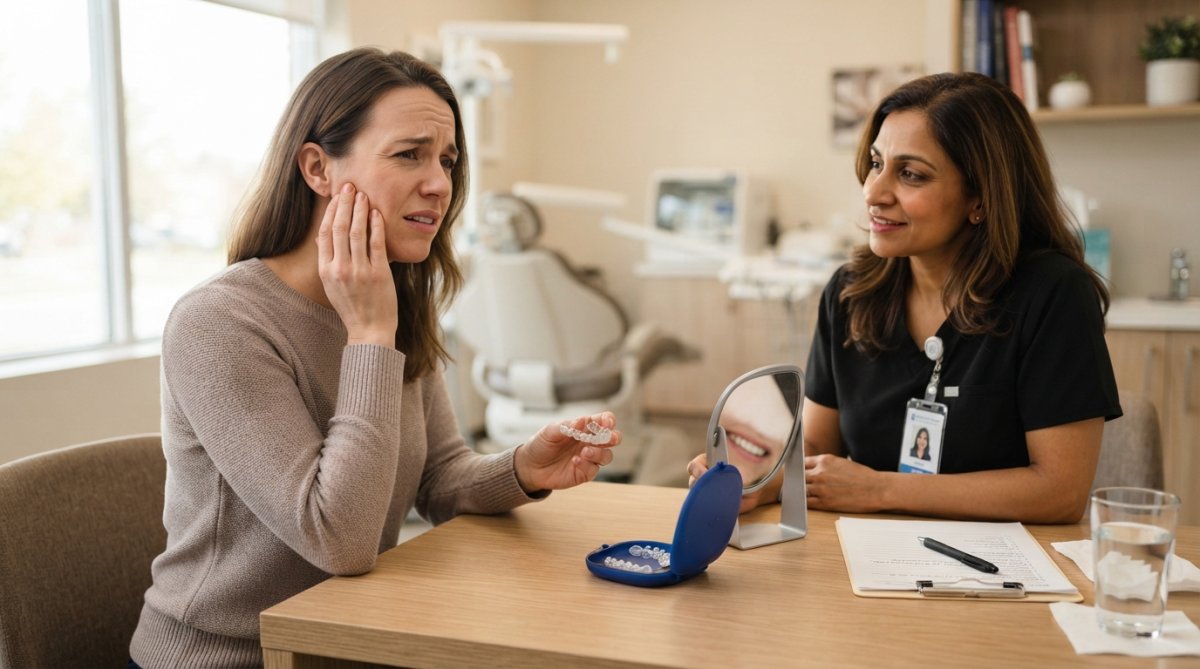
Dental anxiety affects a significant portion of the population and often prevents people from seeking routine care. If you or a family member experiences anxiety, addressing it directly with your dental team leads to better outcomes.
During your initial consultation, be honest about your anxiety. Describe what specifically triggers worry, the sounds, the sensations, the feeling of loss of control, or past negative experiences. Many practices, including ALLDENT Family Dental, have strategies to help anxious patients feel more comfortable. These might include taking breaks during longer procedures, using headphones to mask sounds, or scheduling longer appointments to reduce pressure.
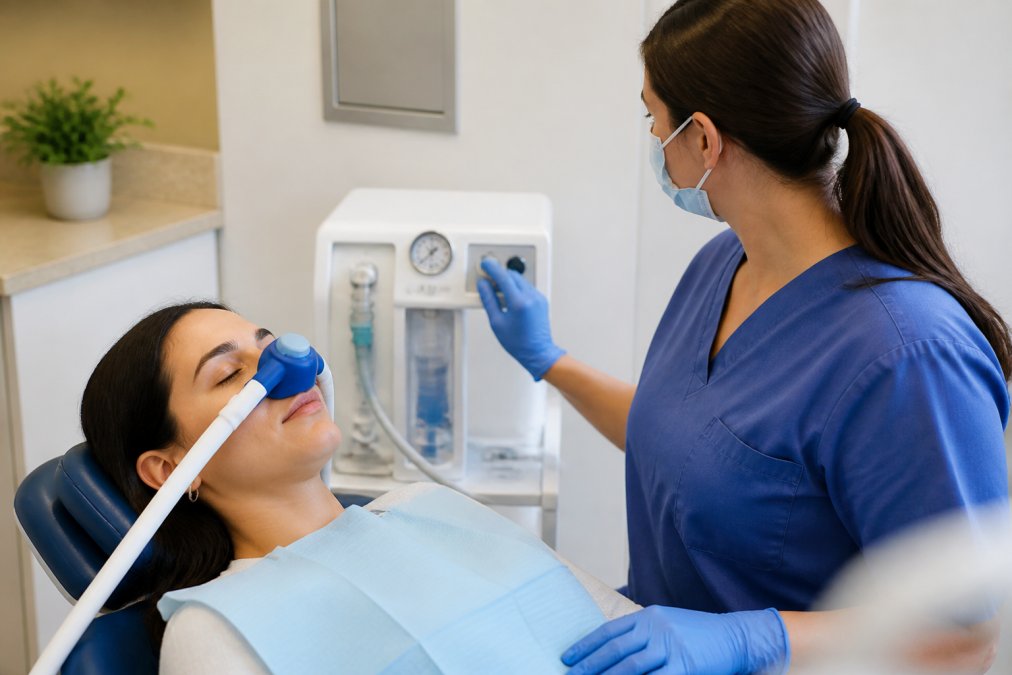
Some practices offer sedation options for patients with severe anxiety. Discuss whether this is appropriate for you. Sedation ranges from nitrous oxide (laughing gas) to oral sedation, depending on the complexity of your procedure and your comfort level.
Efficient scheduling benefits everyone. When you book multiple family members on the same day, you reduce the total number of trips to the practice. This consistency also helps establish oral health as a regular part of your household routine. Set reminders for your six-month recall appointments as soon as you leave your current visit, so you don't lose track of timing.
Many practices send appointment reminders via text or email. Opt in to these notifications, they reduce no-shows and help you stay accountable to your preventative care schedule.
Scheduling routine family dental exams is an investment in your family's long-term oral health. By coordinating appointments, preparing in advance, and understanding what happens during an exam, you remove barriers to consistent care. ALLDENT Family Dental helps families establish and maintain preventative dentistry habits through personalized treatment plans, modern diagnostic technology, and a calm, welcoming environment. When you're ready to schedule routine family dental exams for your household, book an appointment and let our team guide you through the process with care and precision.
Frequently Asked Questions
Q: How often should children have a routine dental exam?
A: Children should have routine dental exams every six months, starting around age one or when the first tooth appears. This schedule allows your dentist to monitor oral development, catch early signs of decay, and establish good dental hygiene habits. Some children with higher risk factors for cavities or gum disease may need more frequent visits. Your dental team can recommend the best schedule for your child's individual needs during your first appointment.
Q: What happens during a routine family dental exam?
A: A routine dental exam typically includes a visual inspection of your teeth and gums, professional cleaning to remove plaque and tartar buildup, and diagnostic imaging like digital x-rays if needed. Your dentist will assess your oral health, check for signs of gum disease, dental caries, and oral cancer. Children receive age-appropriate exams focused on monitoring tooth development and cavity prevention. You'll receive oral hygiene instruction and a personalized treatment plan if any issues are found.
Q: Is fluoride treatment for kids worth it?
A: Fluoride treatment can be a valuable part of preventative dentistry for children, especially those at higher risk for cavities. Professional fluoride applications strengthen tooth enamel and help prevent dental caries. Your dentist will evaluate your child's individual risk factors, diet, brushing habits, water fluoridation in your area, and recommend whether fluoride treatment is appropriate. It's one tool among many for building lifelong oral health habits. Discuss this during your appointment to understand if it fits your child's needs.
Q: How do I prepare for a family dental appointment?
A: Gather your family's dental records, insurance information, and a list of current medications. Brush and floss before arriving. Bring a photo ID and insurance card. For children, arrive 10-15 minutes early to complete any new patient forms. Mention any dental anxiety or previous negative experiences so your team can provide extra reassurance. If scheduling multiple family members, coordinate times that work for everyone, many practices offer back-to-back appointments for convenience.
This article was written using GrandRanker