 ultimate-guide
Preventing Dental Pain in Kids: A Parent's Guide
Table of Contents
- Common Causes of Dental Pain in Children
- Best Dental Hygiene Routine for Kids
- Signs of Cavities in Children
- Is Fluoride Treatment for Kids Worth It?
- Dietary Choices That Prevent Dental Pain
- When to Seek Emergency Dental Care
- Preparing Your Child for Dental Visits
- Frequently Asked Questions
Last Updated: August 31, 2026
Common Causes of Dental Pain in Children
Dental pain in children stems from several distinct sources. Understanding the cause is the first step toward relief. At ALLDENT Family Dental, we work with parents to identify the root cause so treatment can be targeted and effective.
The most common culprit is tooth decay. When bacteria produce acid, they eat through tooth enamel and create cavities. Early cavities may not hurt, but once decay reaches the dentin (inner layer), pain becomes sharp and persistent. Regular dental checkups catch problems before they become painful.
Dental eruption, baby teeth coming in and permanent teeth pushing through, causes mild to moderate discomfort localized to the gum area. This typically resolves within days to weeks as the tooth fully emerges.
Gum inflammation and swelling trigger pain when plaque builds up along the gum line, irritating soft tissue. Poor brushing technique often leaves plaque in hard-to-reach spots between teeth and along the gum margin.
Dental trauma from a knocked-out tooth, crack, or chip causes immediate, often severe pain and requires prompt attention. The longer a tooth sits outside the mouth, the lower the chance of saving it.
Less commonly, a dental abscess develops when infection spreads to the tooth root or surrounding bone, causing throbbing, localized pain and possible facial swelling. This requires same-day dental care.
Understanding which type of pain your child is experiencing helps you decide whether home care is sufficient or a dental visit is urgent.
Best Dental Hygiene Routine for Kids
A solid brushing and flossing routine prevents dental pain in kids by removing plaque before it hardens into tartar and causes decay or gum inflammation.
Children should brush twice daily for two minutes using a soft-bristled toothbrush and fluoride toothpaste (the American Dental Association). Technique matters: guide your child to brush at a 45-degree angle toward the gum line using gentle circular motions. Harder brushing damages gum tissue and wears away enamel.
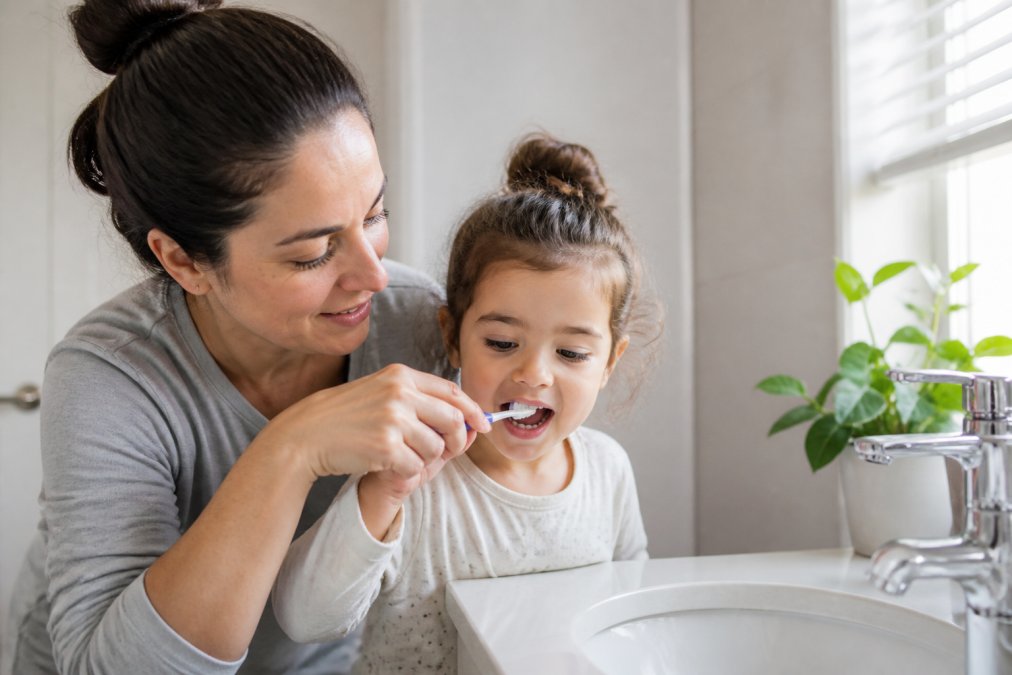
The most commonly missed areas are the inside surfaces of lower front teeth and back molars. For children under six, supervise completely and use only a pea-sized amount of toothpaste (aapd.org). Children six and older can brush more independently, but continue supervising until around age eight.
Flossing removes plaque from between teeth where a toothbrush cannot reach. Start when teeth begin to touch, typically around age three or four (the American Dental Association). Use floss picks or water flossers if traditional floss is difficult for small hands. Floss once daily, ideally before bedtime. The interproximal spaces between teeth are where decay often starts undetected.
Rinse with water after meals and snacks to wash away food debris. A simple saltwater rinse (half a teaspoon of salt in warm water) gargled once daily can help reduce gum inflammation, especially if your child has mild gum soreness.
Signs of Cavities in Children
Early detection of cavities prevents pain and expensive advanced treatment.
The first visible sign is often a white or chalky spot on the tooth surface, usually near the gum line or between teeth, indicating early demineralization. At this stage, decay is still reversible with improved oral hygiene and fluoride treatment.
As decay progresses, the spot darkens to brown or black, signaling that decay has penetrated deeper into the enamel. Your child may or may not feel pain depending on proximity to the nerve.
Your child might complain of sensitivity to cold, sweet, or acidic foods, indicating decay has exposed the dentin layer. Pain may be sharp and temporary or dull and lingering.
Bad breath that doesn't improve with brushing can indicate decay or infection, as cavities trap bacteria and food particles.
Visible pits or holes in the tooth surface mean decay has advanced significantly and requires professional intervention.
Swelling or pus around a tooth suggests a dental abscess requiring urgent care.
If your child complains of pain while chewing or biting, or if sensitivity lasts more than a few days, schedule a dental appointment. Many cavities cause no symptoms until they're large enough to affect the nerve. Regular exams catch them early, often before discomfort occurs.
Is Fluoride Treatment for Kids Worth It?
Fluoride is a mineral that strengthens tooth enamel and makes teeth more resistant to decay. Professional fluoride treatment is worth it for children with higher cavity risk.
Fluoride works by remineralizing enamel, repairing early damage before it becomes a cavity. Community water supplies in many areas are fluoridated, providing baseline protection, but not all water is fluoridated and some children have higher cavity risk.
Children who benefit most from professional fluoride treatment include those with a family history of cavities, those who struggle with brushing consistency, those consuming sugary foods or drinks frequently, and those with visible early signs of decay. Professional treatments deliver higher concentrations than over-the-counter products.
A typical professional fluoride treatment is a gel or varnish applied directly to teeth, taking minutes and causing no pain. Your child should avoid eating or drinking for 30 minutes afterward to allow full absorption.
Frequency depends on cavity risk. Low-risk children may need treatment once yearly or not at all. Higher-risk children may benefit from treatment twice yearly. Your dentist will recommend a schedule based on your child's situation.
Over-the-counter fluoride toothpaste is effective for daily use. Prescription-strength fluoride rinses are available for children with significant cavity risk.
Fluorosis, a cosmetic condition from too much fluoride during tooth development, is minimal with appropriate professional treatment. The benefit of cavity prevention far outweighs the small cosmetic risk for most children.
Preventing dental pain through fluoride is far more cost-effective than managing advanced decay.
Dietary Choices That Prevent Dental Pain
What your child eats directly influences cavity risk and likelihood of experiencing dental pain. Sugar feeds bacteria that produce acid and cause decay, making limiting sugar the single most impactful dietary change.
Obvious sugar sources include candy, soda, juice, and desserts. Less obvious sources include flavored yogurt, granola bars, dried fruit, and "healthy" snack bars. Read labels carefully, as many products marketed to children contain as much sugar as candy.

Frequency matters as much as quantity. A child who drinks soda throughout the day exposes teeth to acid repeatedly, while a child who eats one candy bar at lunch and brushes afterward has lower risk.
Sticky foods like raisins, granola, and caramel adhere to teeth longer, feeding bacteria for extended periods. Acidic foods and drinks, including citrus fruits, sports drinks, and energy drinks, erode enamel directly. Encourage your child to consume these with meals rather than sipping throughout the day, and rinse with water afterward.
Protective foods include dairy products, crunchy fruits and vegetables, nuts, and foods rich in calcium and phosphorus. Cheese is particularly beneficial because it neutralizes acid and stimulates saliva production.
Water is the best beverage for oral health. Milk is also excellent for growing children needing calcium.
Establish a rule that sugary or acidic foods and drinks are consumed only at meals, not as snacks. After meals and sugary snacks, have your child rinse with water or brush teeth if possible.
When to Seek Emergency Dental Care
Not all dental pain requires emergency care, but some situations demand immediate attention.
Seek same-day emergency dental care if your child has severe pain that doesn't improve with over-the-counter pain relief within a few hours, as this often indicates infection, advanced decay, or trauma.
A knocked-out permanent tooth is a genuine emergency. Retrieve it if possible, rinse gently with water (do not scrub), and place it back in the socket if your child will cooperate. If not possible, store the tooth in milk or saliva and get to a dentist within 30 minutes.
A cracked or fractured tooth, especially if causing pain, requires prompt attention as fractures can expose the inner pulp and lead to infection.
Facial swelling, particularly in the cheek, jaw, or under the chin, suggests infection spreading beyond the tooth and requires urgent evaluation.
Fever accompanied by tooth pain and swelling indicates systemic infection requiring same-day professional evaluation.
Bleeding that doesn't stop after 15 minutes of gentle pressure, or bleeding accompanied by pain and swelling, warrants professional evaluation.
Difficulty swallowing or breathing related to dental pain or swelling is a medical emergency requiring immediate ER visit.
For less severe pain, mild sensitivity, minor gum soreness, or eruption discomfort, home care and a routine appointment within a few days is usually appropriate. If pain persists for more than a week or worsens, contact your dentist.
ALLDENT Family Dental offers same-day emergency appointments. Prompt evaluation prevents complications and gets your child out of pain faster.
Preparing Your Child for Dental Visits
Dental anxiety is common in children, and how you prepare your child significantly influences their comfort and cooperation. A positive first experience sets the tone for lifelong oral health habits.
Use neutral, positive language about dental visits. Avoid words like "shot," "drill," or "pain." Instead, describe what the dentist will do: "The dentist will count your teeth" or "The dentist will clean your teeth to keep them strong."
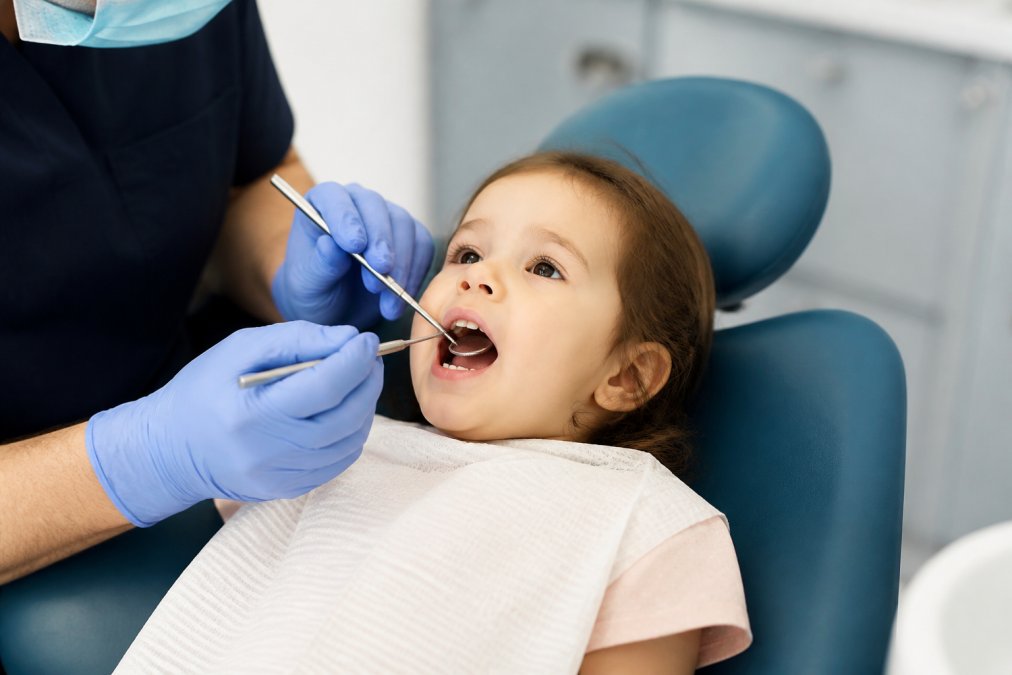
If your child is anxious, visit the dental office before the appointment if possible. Familiarity with the environment reduces anxiety. Some practices, including ALLDENT Family Dental, welcome pre-visit tours.
Read children's books about dental visits together. Stories normalize the experience and give your child language to discuss their feelings.
Practice opening your child's mouth and letting them practice with you. Make it playful: "Let me see your big smile" or "Show me your back teeth."
Explain what the dentist will do step by step. Predictability reduces anxiety.
Be honest but reassuring. If your child asks if something will hurt, say "You might feel pressure or hear sounds, but the dentist will stop if you raise your hand."
Teach your child a hand signal to use if they need a break. Knowing they have control reduces anxiety and helps them cooperate better.
Avoid bribing or threatening. Frame dental care as self-care: "Taking care of your teeth keeps them strong so you can eat and smile."
Arrive early so your child isn't rushed. After the appointment, praise your child's cooperation specifically.
Preventing dental pain in kids starts with understanding what causes it and taking consistent action to stop decay before it starts. Regular brushing and flossing, smart dietary choices, and professional fluoride treatment when appropriate form a complete prevention strategy. When pain occurs, recognizing whether it's routine or an emergency guides your response. ALLDENT Family Dental works with families to build these habits early, so your child grows up with strong teeth and positive feelings about oral health. Book an appointment today to establish a prevention plan tailored to your child's needs.
Frequently Asked Questions
Q: What are the most common signs that my child has a cavity?
A: Signs of cavities in children include visible dark spots or holes on teeth, complaining of tooth pain when eating or drinking, sensitivity to cold or sweet foods, and swelling around the affected tooth. Some children may also have bad breath or avoid chewing on one side of their mouth. If you notice any of these symptoms, schedule a dental checkup promptly to prevent the cavity from worsening.
Q: Is fluoride treatment for kids worth it?
A: Fluoride treatment for kids is worth considering as part of a comprehensive oral health plan. Fluoride strengthens tooth enamel and helps prevent cavities by making teeth more resistant to decay. Professional fluoride treatments applied by a dentist provide concentrated protection beyond what toothpaste offers. Discuss with your dentist whether your child would benefit from fluoride treatments based on their individual risk factors and current oral health.
Q: How often should my child visit the dentist?
A: Most children should visit the dentist every six months for routine checkups and cleanings. These regular visits allow your dentist to detect early signs of tooth decay, monitor eruption of permanent teeth, and provide preventative care. Children with higher cavity risk or existing dental issues may need more frequent visits. Your dentist can recommend the best schedule for your child's specific needs.
Q: What should I do if my child has sudden tooth pain?
A: If your child experiences sudden tooth pain, first rinse their mouth with warm water and gently floss to remove any trapped food. A cold compress applied to the cheek can help numb the area temporarily. Over-the-counter pain relief designed for children may help, following package directions. Contact your dentist immediately, especially if there is swelling, fever, or if the pain is severe. If your dentist is unavailable, seek emergency dental care to rule out serious conditions like infection.
This article was written using GrandRanker