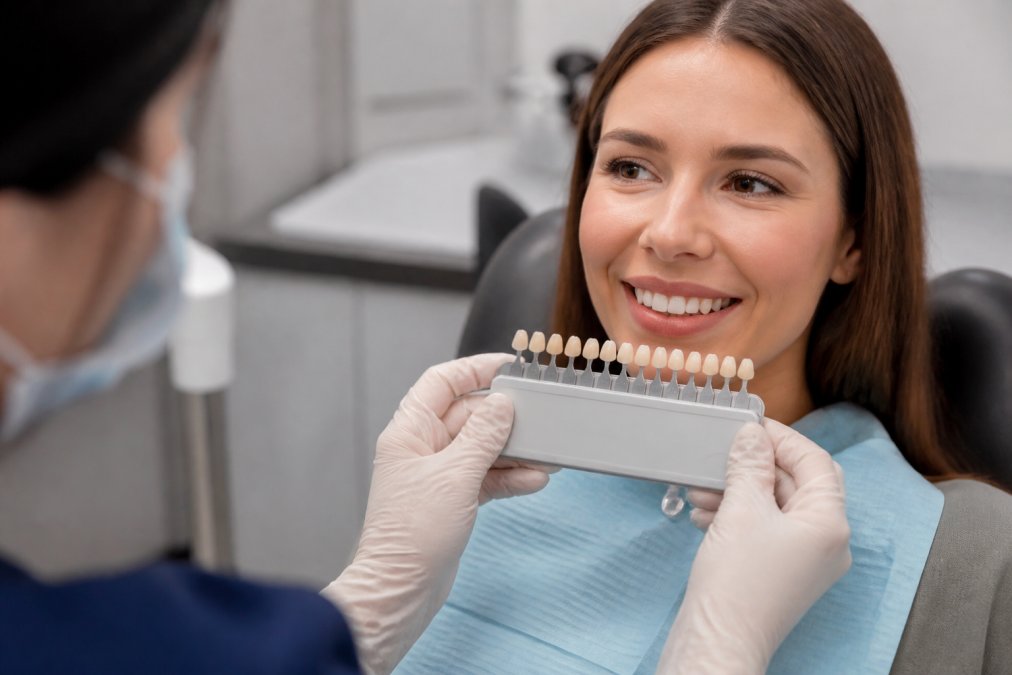
 ultimate-guide
Common Cosmetic Dental Procedures 2026
Table of Contents
- What Cosmetic Dentistry Can Achieve
- Top Cosmetic Dental Procedures Explained
- Invisalign vs Traditional Braces 2026
- Cost of Dental Veneers in Ontario
- Cosmetic Dentistry Consultation Checklist
- Choosing the Right Cosmetic Dental Treatment
- Long-Term Care and Maintenance
- Conclusion
Last Updated: August 21, 2026
What Cosmetic Dentistry Can Achieve
Cosmetic dental procedures transform how people feel about their smiles. Whether you're dealing with discoloration, misalignment, gaps, or worn teeth, modern cosmetic dentistry offers solutions that go beyond simple aesthetics. At ALLDENT Family Dental, we help patients achieve smiles that match their confidence levels and life goals.
The range of what's possible today extends far beyond whitening. Advances in digital smile design, biocompatible materials, and minimally invasive techniques mean you can address multiple concerns in fewer appointments. The real shift in 2026 is that cosmetic work no longer requires aggressive tooth preparation or lengthy recovery periods.
Most people think cosmetic dentistry is purely vanity. That's where the thinking gets it wrong. A smile you're proud of affects how you present yourself in job interviews, social situations, and personal relationships. The confidence that comes from cosmetic dental work often has ripple effects people don't anticipate.
Top Cosmetic Dental Procedures Explained
The most common cosmetic dental procedures fall into a few clear categories. Understanding what each does, how long it lasts, and what the actual process involves helps you make decisions that align with your goals and budget.
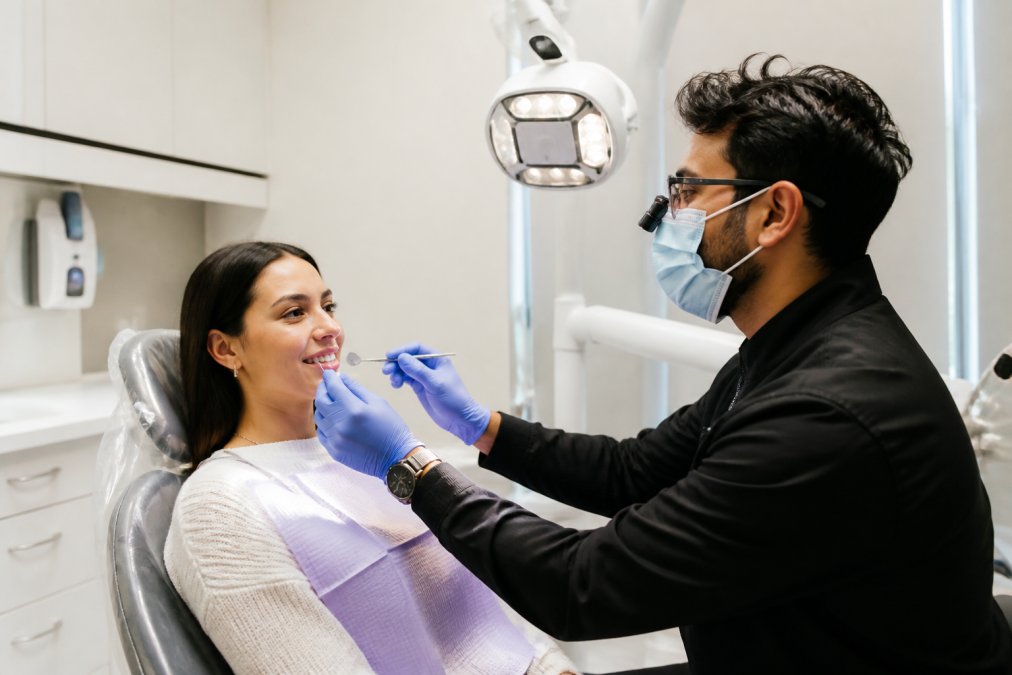
Teeth Whitening and Stain Removal
Professional teeth whitening remains the most accessible cosmetic dental procedure. Unlike over-the-counter products, in-office whitening uses stronger bleaching agents and custom trays that fit your teeth precisely. Results appear in a single appointment, typically lasting one to two hours (the American Dental Association).
The process works by applying a whitening gel to the surface of your teeth, then activating it with a special light. Stain removal targets both surface discoloration (from coffee, wine, tobacco) and deeper stains that have penetrated the enamel. Many people see results that last several months to a year, depending on your habits and diet.
Common mistakes include expecting permanent results or thinking one session will solve years of staining. Professional whitening is effective, but it requires maintenance. Some people need touch-ups every six months. Others go a year between treatments. The variation depends on how much staining behavior you continue after the procedure.
Porcelain Veneers and Dental Bonding
Porcelain veneers are thin shells that cover the front surface of your teeth. They're custom-made to match your desired shade, shape, and size. The process involves preparing your tooth by removing a small amount of enamel, then bonding the veneer permanently in place.
Veneers address multiple concerns at once: discoloration, chips, gaps, and misalignment. A full smile makeover using veneers typically involves four to eight teeth. The procedure requires two to three appointments. First, your dentist takes impressions and shade samples. Then the lab creates your custom veneers while you wear temporary ones. Finally, the permanent veneers are bonded and adjusted.
Dental bonding is a simpler, less invasive alternative. A tooth-colored composite resin is applied directly to your tooth and shaped to correct chips, gaps, or discoloration. It happens in a single appointment and costs significantly less than veneers. The tradeoff is that bonding doesn't last as long and can stain more easily than porcelain.
The cost of dental veneers in Ontario varies based on the number of teeth and the specific lab work involved. Bonding is more affordable but requires more frequent maintenance and replacement.
Dental Implants for Smile Restoration
Dental implants replace missing teeth with a permanent solution. An implant consists of a titanium post surgically placed in your jawbone, topped with a crown that looks and functions like a natural tooth. The process takes several months because the bone must integrate with the implant before the crown is attached.
Implants are the gold standard for tooth replacement because they preserve jawbone structure and don't rely on adjacent teeth for support. Unlike bridges or dentures, implants function like natural teeth and require only standard oral hygiene.
The timeline is important to understand. After implant placement, you wait three to six months for osseointegration (bone fusion) (peer-reviewed research). Then the crown is fabricated and attached. Total time from start to finished smile is typically four to eight months. During this period, you can wear a temporary restoration so your smile doesn't change.
Gum Contouring and Crown Lengthening
Some people have a "gummy smile" where excessive gum tissue shows when they smile. Gum contouring reshapes the gum line to expose more tooth surface and create better proportions. The procedure uses a laser or scalpel to remove excess tissue, then the area is allowed to heal.
Crown lengthening is similar but serves a functional purpose. If you have a short tooth or one that's mostly hidden by gum tissue, crown lengthening exposes more of the tooth so a crown can be properly placed. This procedure is often combined with other cosmetic work.
Both procedures are minimally invasive and heal within one to two weeks. Results are permanent because the gum tissue doesn't grow back.
Invisalign vs Traditional Braces 2026
Teeth alignment has changed dramatically since traditional metal braces dominated the market. Today, clear aligners offer an alternative that appeals to adults who want to straighten their teeth without visible hardware.
Clear aligners use a series of custom-made trays that gradually shift your teeth into alignment. You wear each tray for one to two weeks, then move to the next one in the sequence. The process is reversible if you stop wearing them, though your teeth will shift back.
Traditional braces use brackets and wires to apply constant pressure. They're more effective for severe misalignment and complex bite problems. Braces are also faster in many cases, typically taking 18 to 24 months versus 12 to 36 months for aligners.
The real decision comes down to your specific needs and lifestyle. Clear aligners work best for mild to moderate spacing and alignment issues. They're nearly invisible and removable for eating and cleaning. Traditional braces work better for severe cases and are more affordable overall.
Maintenance differs significantly. With aligners, you remove them to eat and drink anything except water. You clean them daily and keep them in a case. With braces, you brush and floss around brackets and wires, which requires more time and precision. Both require regular appointments for adjustments or tray changes.
Cost of Dental Veneers in Ontario
Veneer pricing depends on several factors: the number of teeth, the lab quality, and whether you need any preparatory work. The cost of dental veneers in Ontario typically reflects the custom nature of the work and the materials used.
Porcelain veneers are more expensive than composite bonding because they're individually fabricated in a lab and offer superior longevity. Composite bonding costs less upfront but may need replacement or repair within five to seven years.
Many dental practices offer financing options or payment plans to make cosmetic work more accessible. Some dental insurance covers a portion of restorative work, though purely cosmetic procedures are usually not covered. Check with your insurance provider about what qualifies as restorative versus cosmetic in your policy.
The investment perspective matters here. A veneer that lasts 10 to 15 years costs less per year than bonding that lasts five years and requires multiple replacements. When you calculate the long-term cost, veneers often provide better value.
Cosmetic Dentistry Consultation Checklist
Before committing to any cosmetic dental procedure, a thorough consultation is essential. A cosmetic dentistry consultation checklist helps you prepare questions and understand what to expect.
Before Your Appointment:
- Gather photos of smiles you admire (from celebrities, friends, or social media)
- Write down specific concerns: discoloration, gaps, shape, alignment, size
- List any previous dental work or issues that affect your options
- Note your budget and timeline expectations
- Research the dentist's experience with your specific procedure
During Your Consultation:
- Discuss your smile goals in detail with your dentist
- Ask about digital smile design or 3D imaging to preview results
- Understand the procedure timeline and number of appointments required
- Learn about maintenance and longevity for each option
- Get a clear written estimate including all costs
- Ask about before-and-after photos from similar cases
Questions to Ask:
- How many of these procedures have you completed?
- What happens if I'm not satisfied with the results?
- What's the realistic timeline from start to finish?
- Are there any risks or complications specific to my situation?
- How do I care for the work after it's complete?
- What's the expected lifespan of the treatment?
A good consultation feels collaborative, not pressured. Your dentist should listen to your concerns and present multiple options, not just recommend the most expensive solution.
Choosing the Right Cosmetic Dental Treatment
The best cosmetic dental treatment for you depends on your specific situation, goals, budget, and timeline. There's no one-size-fits-all answer, but a framework helps clarify the decision.
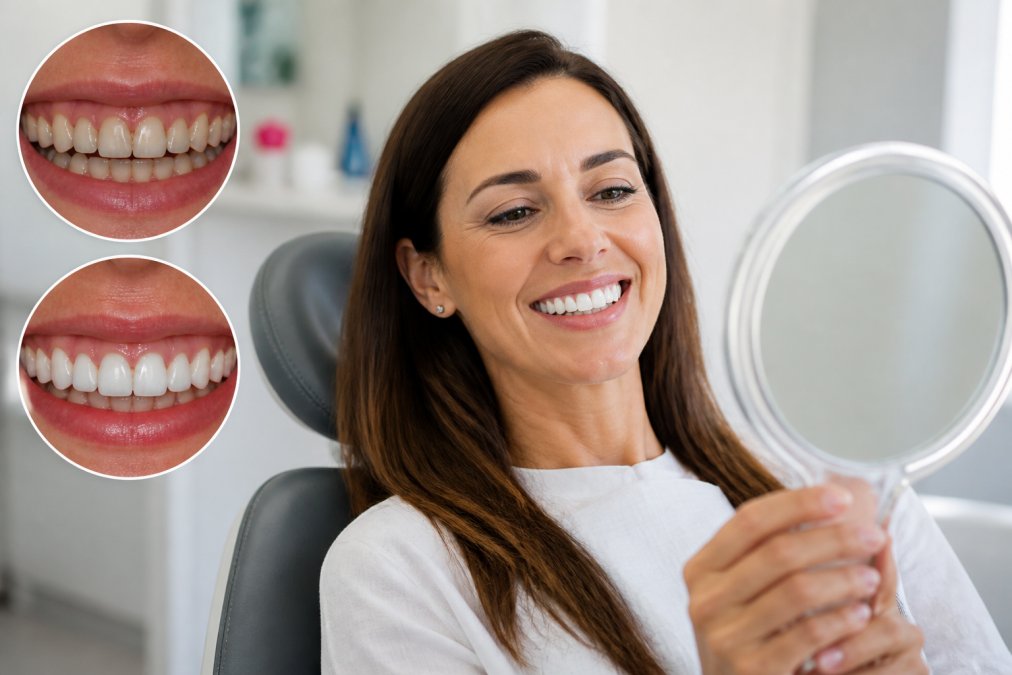
Start with your primary concern. Is it discoloration? Misalignment? Missing teeth? Gaps? Shape or size? Each concern points toward specific solutions. Discoloration points to whitening or veneers. Misalignment points to aligners or braces. Missing teeth point to implants or bridges.
Next, consider how much tooth preparation you're willing to accept. Veneers require removing enamel, which is permanent. Bonding and aligners are reversible. Implants require bone surgery. If you prefer minimally invasive work, bonding and whitening are your starting points.
Timeline matters more than people realize. If you need results in one month, whitening or bonding are your options. Veneers take two to three months. Implants take four to eight months. Aligners take one to three years. Braces take 18 to 24 months. Your timeline narrows your choices significantly.
Budget constraints are real. Whitening is the most affordable entry point. Bonding costs more but less than veneers. Veneers and implants are the most expensive options. If budget is tight, start with whitening or bonding. You can always add veneers or implants later.
Consider combining treatments. Many people whiten first, then add veneers or bonding to address shape and alignment. Others straighten with aligners, then whiten and add bonding for final refinement. A phased approach spreads costs and lets you see results before committing to more invasive work.
At ALLDENT Family Dental, the consultation process includes digital smile design technology that lets you preview results before committing to treatment. This removes guesswork and helps you make confident decisions about your smile.
Long-Term Care and Maintenance
Cosmetic dental work requires ongoing care to maintain results. Different procedures have different maintenance needs, and understanding these upfront prevents surprises.
Whitening results fade over time, especially if you consume staining foods and drinks regularly. Maintenance whitening every six to twelve months keeps results fresh. Some people use whitening strips or trays at home between professional treatments.
Veneers and bonding need gentle care. Avoid chewing hard objects like ice, hard candy, or pen caps. Use a soft-toothbrush and avoid abrasive whitening toothpaste. Bonding may chip or crack if you're rough with your teeth; veneers are more durable but not indestructible.
Implants require the same care as natural teeth: brushing, flossing, and regular checkups. Because implants don't have natural tooth roots, they rely entirely on bone support. Gum disease around an implant can lead to bone loss and implant failure. Excellent oral hygiene is non-negotiable.
Aligners need daily cleaning to prevent bacterial growth and staining. Brush them gently under running water and soak them in the cleaning solution provided. Store them in their case when not wearing them. Avoid exposing them to heat, which can warp them.
Retainers are critical after any alignment work. Whether you use aligners or braces, wearing a retainer prevents your teeth from shifting back. Many people wear retainers nightly for life to maintain results.
Regular dental checkups become even more important after cosmetic work. Your dentist monitors the longevity of veneers, bonding, and implants. Professional cleanings prevent staining and gum disease that could compromise your results.
Conclusion
Cosmetic dental procedures offer real solutions for the concerns that affect how you feel about your smile. Whether you're addressing discoloration, alignment, missing teeth, or overall proportions, modern cosmetic dentistry combines aesthetic results with functional health.
The key is choosing a dentist who listens to your goals and explains your options clearly. ALLDENT Family Dental combines digital smile design technology with personalized treatment planning to help you achieve the smile you want. With same-day emergency care, minimally invasive techniques, and a calm environment designed for nervous patients, the practice ensures your cosmetic journey is comfortable and transparent from consultation through long-term maintenance. Book your cosmetic consultation with ALLDENT Family Dental today to explore your smile transformation options.
Frequently Asked Questions
What are the most popular cosmetic dental procedures in 2026?
The most sought-after cosmetic dental procedures include teeth whitening for stain removal, porcelain veneers for smile transformation, clear aligners for tooth alignment, dental implants for smile restoration, and dental bonding for minor imperfections. Many patients combine multiple procedures as part of a comprehensive smile makeover. Your dentist can recommend which procedures align best with your aesthetic goals and oral health needs.
How do I choose the right cosmetic dental treatment for my smile?
Start with a patient consultation where your dentist assesses your smile goals, budget, and timeline. Digital Smile Design (DSD) technology allows you to preview potential outcomes before treatment begins. Consider factors like the severity of imperfections, longevity of results, and whether minimally invasive or more comprehensive procedures suit your preferences. Your customized treatment plan should balance aesthetic results with functional aesthetics and overall oral health.
What is the difference between dental veneers and dental bonding?
Dental bonding uses composite resin applied directly to your tooth surface and is less invasive, typically completed in one visit. Porcelain veneers are custom-crafted shells that require minimal tooth preparation and offer greater longevity and stain resistance. Veneers provide a more dramatic smile transformation and last longer, while bonding is a more affordable option for minor cosmetic issues. Your dentist can help determine which approach suits your needs and budget.
Are cosmetic dental procedures covered by insurance?
Most dental insurance plans classify cosmetic procedures as elective and do not cover them. However, some treatments like dental implants or orthodontic work may have partial coverage depending on your specific plan. Restorative procedures that also improve appearance may qualify for coverage. Contact your insurance provider to understand your coverage, and ask ALLDENT Family Dental about financing options and payment plans available for cosmetic treatments.
What should I expect during a cosmetic dentistry consultation?
A thorough cosmetic dentistry consultation includes a smile assessment, discussion of your aesthetic goals, and review of available treatment options. Your dentist will evaluate your enamel condition, tooth alignment, and gum health to develop a customized treatment plan. Digital imaging or Digital Smile Design may be used to show potential outcomes. The consultation is also the time to discuss timelines, costs, and any concerns about comfort or minimally invasive approaches.
How long do common cosmetic dental procedures last?
Longevity varies by procedure. Professional teeth whitening results typically last 6-12 months depending on lifestyle habits. Porcelain veneers can last 10-15 years or longer with proper care. Dental bonding lasts 5-10 years. Dental implants can last a lifetime with good oral hygiene and maintenance. Clear aligners provide permanent results once treatment ends, though retention with retainers is essential. Your dentist will provide specific care instructions to maximize the longevity of your cosmetic work.
Are cosmetic dental procedures painful?
Modern cosmetic dentistry prioritizes patient comfort through minimally invasive techniques and advanced technology. Procedures like teeth whitening and bonding typically cause no pain. Veneer placement involves minimal discomfort since tooth preparation is conservative. Your dentist uses local anesthesia when needed and can discuss comfort options before treatment. If you have dental anxiety, inform your team so they can create a calm, reassuring experience tailored to your needs.
This article was written using GrandRanker