 how-to
Minimally Invasive Dental Treatments 2026: Your Guide
Table of Contents
- What Minimally Invasive Dentistry Means
- Why Preserving Natural Tooth Structure Matters
- Digital Dentistry Diagnostic Tools and Precision
- Preventive Dental Care Strategies That Work
- Laser Dentistry Recovery Time and What to Expect
- Modern Materials and Biomimetic Dentistry
- Is Minimally Invasive Dentistry Right for You
- Conclusion
Last Updated: August 22, 2026
What Minimally Invasive Dentistry Means
Minimally invasive dental treatments preserve as much of your natural tooth as possible while delivering effective care. Rather than removing large amounts of tooth structure, these techniques use precision tools, adhesive bonding systems, and biomimetic materials that bond directly to remaining tooth structure. The philosophy is straightforward: your natural tooth, even when compromised, is almost always stronger and more durable than any restoration we can place.
At ALLDENT Family Dental, we've embraced this approach because it aligns with what patients want: treatment that works without unnecessary loss. Modern technology, digital imaging, adhesive systems, and composite materials, has made conservative treatment not just possible, but often the superior choice.
Why Preserving Natural Tooth Structure Matters
Your natural tooth is irreplaceable. Once removed, no restoration perfectly mimics its strength, longevity, or biological function. When you remove tooth structure, you create a cascade of consequences: weaker remaining walls prone to fracture, brittleness after root canal therapy, and faster deterioration with multiple restorations.
The data is clear: teeth that retain more natural structure last longer. Preservation also means fewer future appointments and lower cumulative costs over your lifetime.
Your natural teeth have evolved to do exactly what you need them to do. They adapt, heal, and respond to your bite. A restoration is static, it simply sits there until it fails.
Digital Dentistry Diagnostic Tools and Precision
Modern diagnostics have transformed conservative dentistry. Cone beam computed tomography (CBCT) imaging shows bone structure and the precise extent of decay in ways traditional X-rays cannot (the American Dental Association). Intraoral cameras let you see exactly what your dentist sees. Digital scanning creates perfect impressions without discomfort.
These tools enable earlier intervention. When decay is caught at a micro level, treatment can be incredibly conservative. When a crack is identified before it spreads, repair takes minutes instead of requiring a crown.
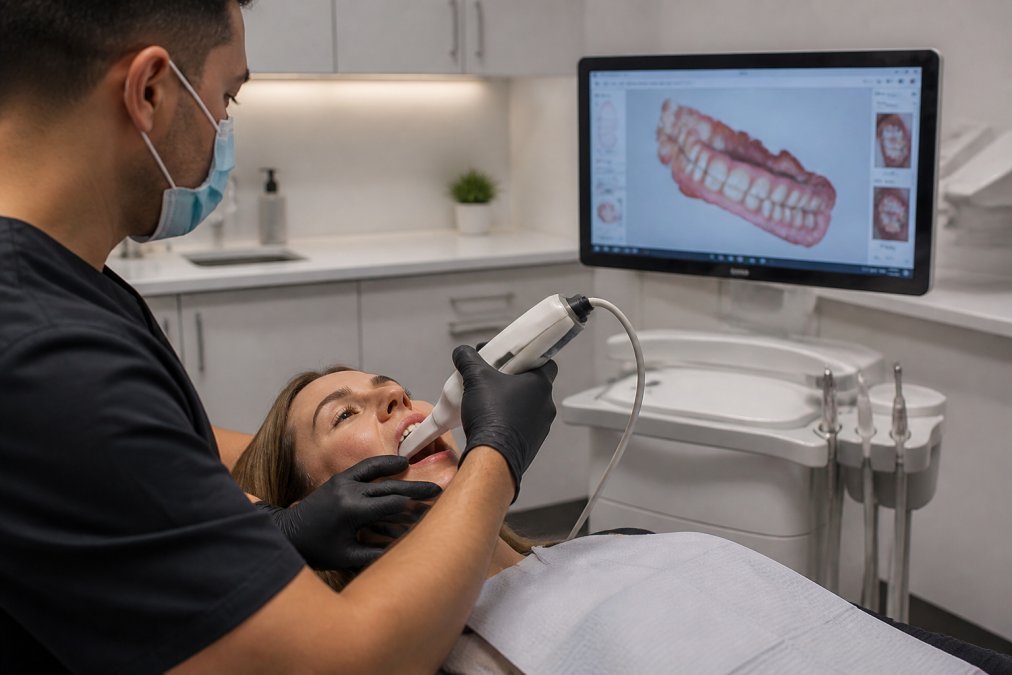
The precision these tools provide reduces guesswork. Treatment is planned before you sit down, not discovered as the dentist works. Surprises are minimized, and restorations fit better because they were designed based on precise measurements.
Preventive Dental Care Strategies That Work
Prevention remains the most effective form of dental care. Modern preventive strategies focus on identifying your specific risk factors and addressing them directly.
Risk assessment starts with understanding your personal history: family history of gum disease, decay proneness, dry mouth, and previous dental problems. These factors determine your prevention strategy. A low-risk patient might need professional cleaning twice yearly; a high-risk patient might benefit from more frequent visits, fluoride treatments, or antimicrobial rinses.
Dietary factors matter significantly. Frequent snacking, sugary drinks, and acidic foods create an environment where decay thrives. Saliva quality is your mouth's natural defense system; insufficient saliva dramatically increases cavity risk.
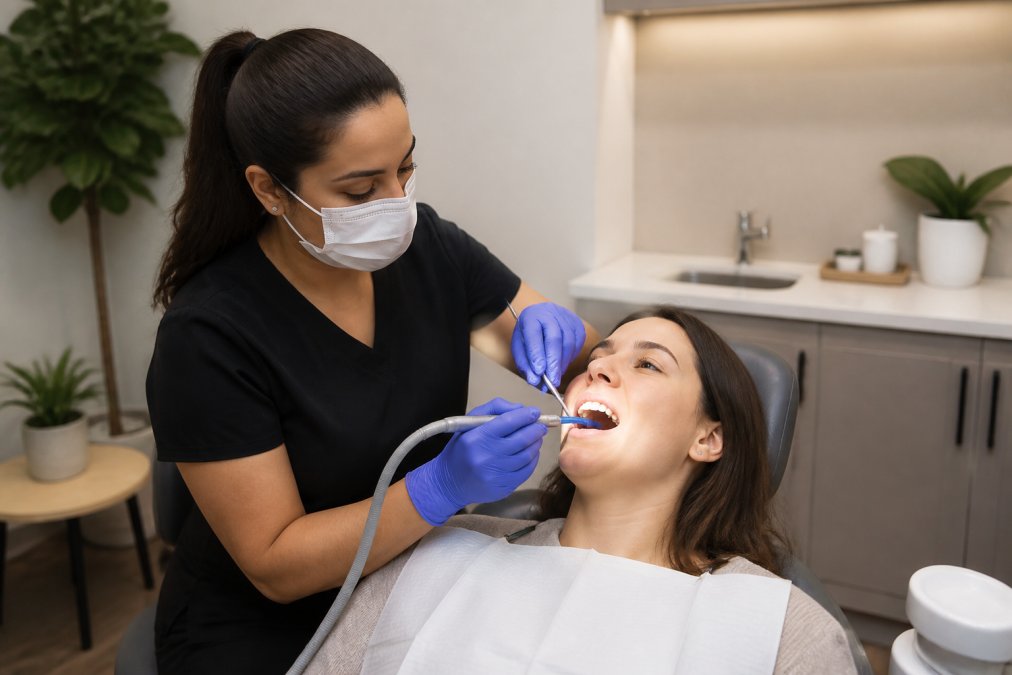
Professional preventive care goes beyond cleaning. Fluoride treatments strengthen enamel (the CDC). Antimicrobial rinses reduce bacteria that cause gum disease. Sealants on back teeth prevent decay in grooves where toothbrushes can't reach. The real shift in preventive care is personalization: your prevention plan should reflect your risk profile, habits, and goals rather than applying a one-size-fits-all approach.
Laser Dentistry Recovery Time and What to Expect
Laser dentistry is used for soft tissue work, gum disease treatment, frenectomy, and minor surgical procedures. Recovery expectations depend on the specific procedure.
For soft tissue procedures, recovery is typically minimal. Most patients experience no downtime and can return to normal activities immediately. Lasers cauterize as they cut, meaning less bleeding and inflammation compared to traditional scalpel surgery.
Gum disease treatment with lasers removes infected tissue and reduces bacteria in periodontal pockets. Avoid very hot foods for a few days, be gentle with the treated area, and follow post-care instructions. Most patients notice improvement within a week or two.
The advantage of laser procedures is that they're often quicker and less traumatic than traditional surgery. Your body heals faster when trauma is minimized, with reduced swelling and discomfort.
Modern Materials and Biomimetic Dentistry
Modern composite resins bond directly to tooth structure, creating a seal nearly as strong as the original tooth. They match your natural teeth so closely that restorations are virtually invisible, durable, and conservative.
Biomimetic dentistry mimics the structure and function of your natural tooth. Rather than simply filling a hole, it understands how teeth flex under bite force and respond to temperature changes. A biomimetic restoration is designed to move and function like your natural tooth, not like a rigid foreign object.
Adhesive systems have become remarkably sophisticated, creating bonds stronger than tooth structure itself in many cases (peer-reviewed research). This means restorations won't separate from your tooth; they fail only if the tooth underneath breaks, which is rare.
Bio-compatible materials are designed to coexist peacefully with your natural tooth and surrounding tissues without leaching harmful substances or irritating gum tissue.
Is Minimally Invasive Dentistry Right for You?
Not every patient is a candidate for every minimally invasive technique. Candidacy depends on the specific problem, extent of damage, your oral hygiene habits, and long-term goals.
If you have early-stage decay or a cracked tooth that hasn't split completely, minimally invasive treatment is almost always appropriate. If you have gum disease, minimally invasive treatment, including laser therapy, can be highly effective when caught early.
Limitations exist: a tooth severely decayed or broken might not have enough remaining structure to support conservative restoration. A tooth with extensive previous treatment might require a crown. A tooth with a large fracture extending below the gum line might require extraction.
Your habits matter significantly. Minimally invasive restorations work best for patients who maintain good oral hygiene and avoid extreme habits. If you grind your teeth at night, a conservative restoration might not survive the forces involved.
The best way to determine what's right for your situation is a consultation with a dentist experienced in minimally invasive techniques. ALLDENT Family Dental can assess your specific teeth and recommend the most conservative approach that will actually solve your problem.
Conclusion
Minimally invasive dental treatments represent the current standard of care: they work, preserve your natural teeth, and lead to better long-term outcomes. Early diagnosis, conservative treatment, and durable restorations create healthier mouths and fewer future appointments.
If you're considering dental treatment or want to discuss what's possible with your specific teeth, ALLDENT Family Dental offers personalized treatment plans using advanced digital diagnostics and modern biomimetic materials. Dr. Rami Gilada and the team focus on preserving your natural teeth while delivering precise, comfortable care. Book Appointment today and discover the difference that patient-centered, minimally invasive care can make.
Dental health doesn't have to mean extensive treatment and repeated procedures. At ALLDENT Family Dental, we combine personalized treatment plans with advanced digital technology to ensure every patient receives precise, comfortable care that preserves natural tooth structure. Whether you need preventive exams, conservative restorations, or emergency care, our team is dedicated to helping your family maintain healthy, beautiful smiles. Book Appointment today and discover the difference that patient-centered, minimally invasive care can make.
| Treatment Approach | Key Benefit | Best For | Recovery Time |
|---|---|---|---|
| Conservative composite restoration | Preserves tooth structure | Early decay, small cavities | Immediate |
| Laser soft tissue treatment | Minimal trauma and bleeding | Gum disease, minor surgery | 1-2 days |
| Digital diagnostics | Early problem detection | All patients | None |
| Biomimetic restoration | Long-term durability | Fractured or weakened teeth | Immediate |
| Preventive fluoride treatment | Strengthens enamel | High-risk patients | None |
Frequently Asked Questions
What are the main benefits of minimally invasive dental treatments compared to traditional methods?
Minimally invasive dental treatments preserve more of your natural tooth structure, reduce the need for extensive drilling, and often require smaller restorations. These approaches typically cause less trauma to the tooth and surrounding tissue, resulting in faster healing and reduced patient anxiety. Because they conserve healthy tooth material, they often lead to better long-term outcomes and may reduce the need for future retreatment.
How do digital dentistry diagnostic tools improve treatment precision?
Digital dentistry diagnostic tools provide detailed, high-resolution images that allow dentists to identify problems earlier and plan treatments with greater accuracy. These tools reduce guesswork, enable better visualization of hard-to-see areas, and help dentists create treatment plans tailored to your specific needs. Precision diagnostics also mean fewer adjustments after treatment and a more comfortable experience overall.
Are minimally invasive dental procedures covered by provincial health insurance?
Coverage varies by province and your specific insurance plan. Most provincial health plans cover preventive care like cleanings and exams, but restorative and cosmetic procedures often have limited or no coverage. Contact your insurance provider or speak with your dental office about your coverage and available payment options.
How do I know if I'm a good candidate for minimally invasive dental solutions?
Most patients benefit from minimally invasive approaches, especially those with early-stage cavities, mild gum disease, or those seeking to avoid extensive procedures. However, candidacy depends on the specific condition, the extent of damage, and your oral health history. A consultation with a qualified dentist using digital diagnostics is the best way to determine whether minimally invasive treatments are suitable for your situation.
This article was written using GrandRanker